
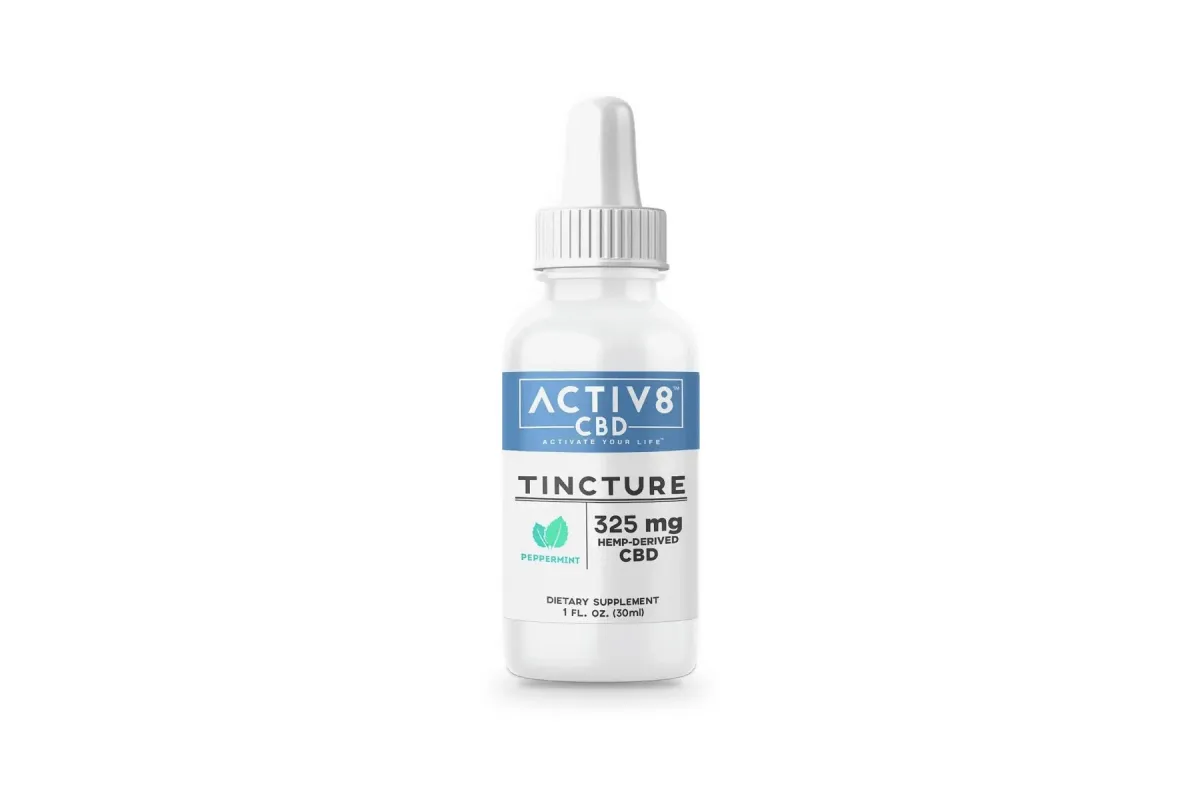
Our ACTIV8 CBD Tinctures are a powerful and an effective way to support your overall well-being. Simply just add a few drops of CBD to your…
$12.50$24.99each
Quantity
1
25% OFF WITH CODE
Limited-Time Sale | Ends November 15 at 7 PM PSTOne-time purchases only.Shop Now
Learn how to tell genuine hemp-derived CBD from lookalikes on the Las Vegas Strip: read labels, verify COAs, understand potency and testing limits, and follow up with trusted labs or vendors.
By the BuyLegalMeds team15 min read
The Las Vegas Strip is a high-traffic, convenience-driven marketplace. Visitors and locals alike often buy on impulse from convenience stores, gas stations and souvenir shops that place tempting CBD-branded items on endcaps and behind counters. Many such products are harmless, some are legitimate hemp-derived goods, and some are mislabeled, incomplete or otherwise misleading for the purchaser’s expectations.
This long-form guide explains, step-by-step, how to tell the difference between an authentic, lab-tested hemp product and a product that could be misrepresented. It focuses on label reading, batch COAs, laboratory identity and testing scope, potency units and detection limits, contamination risks, the practical CBD vs. THC distinction, mushroom product identity, red flags common to gas-station displays, and practical consumer follow-up. It is educational and intended to reduce risk — not legal advice or medical advice.
I draw on federal and state resources and on manufacturer-verified label materials for context. For general guidance on cannabis and cannabinoids, see the NIH National Center for Complementary and Integrative Health (NCCIH) summary on cannabis and cannabinoids (NIH NCCIH). For Nevada licensing and regulatory context, see the Nevada Cannabis Compliance Board and Nevada law on hemp (Nevada CCB; Nevada Legislature). For current federal timing on cannabinoid definitions and recent amendments, see Public Law 119-37 and Public Law 119-103. For travel screening, see the TSA guidance updated April 27, 2026. (References linked below.)
Shoppers on the Strip encounter products that look professional and are priced for impulse buys. Many legitimate hemp brands also sell through local retailers and online. However, convenience outlets often receive short, mass-produced shipments from multiple suppliers. Packaging and claims may be copied, incomplete, or lacking documentation. That makes the buyer responsible for verification.
Regulatory context matters: Nevada operates a licensed adult‑use cannabis retail system that is separate from agricultural hemp markets regulated under state and federal hemp statutes. The difference matters for potency, labeling and how a product is sold and taxed (Nevada CCB; Nevada Legislature).
When you look at a container, examine these elements in order:
If the label lacks a lot number, an identifiable manufacturer or a COA link, pause and ask for documentation. A reputable seller will be able to provide the COA for the lot on your shelf or indicate where to find it on the brand’s site.
Shop this topic
Our ACTIV8 CBD Tinctures are a powerful and an effective way to support your overall well-being. Simply just add a few drops of CBD to your…
$12.50$24.99each
Hemp seed oil is a food oil extracted from the seed of Cannabis sativa. It contains healthy fats and nutrients but very little or no cannabinoids, including CBD. “Hemp seed oil” in the ingredients does not prove CBD content. Some labels list both hemp seed oil and a hemp extract — confirm whether the product specifies cannabidiol (CBD), and whether the CBD amount is given in milligrams.
Always look for “CBD” or “cannabidiol” in the ingredient list and a matching mg statement. If a product markets CBD benefits but lists only hemp seed oil, that’s a mismatch.
A Certificate of Analysis is the independent laboratory batch test report you should read when buying CBD. COAs vary in format, but here’s what a useful COA contains and how to cross-check it with the product in hand:
If a product on a gas-station shelf or tourist shop comes without a COA or with a COA that does not match the lot number, ask the seller for the manufacturer contact so you can verify the report yourself.
A COA is only as reliable as the lab that produced it. Prefer COAs from labs that identify themselves by name and include contact info. Laboratories accredited to ISO/IEC 17025 have independent checks on competency. Some smaller labs lack accreditation but publish method details; treat those COAs with more scrutiny.
If a COA lists only a lab’s brand name without address or accreditation, contact the lab directly using a web search to verify the report number. If you cannot confirm the lab or the report number, consider the product unverifiable.
A credible COA for ingestible or inhalable CBD products will typically include:
COAs should clearly specify their method for each class of contaminant and state detection limits so buyers understand whether “not detected” means below a meaningful threshold or simply below a high lab LOQ.
If test entries show “<LOQ” or a number close to the LOQ, request the lab’s LOQ for that analyte. A low-sensitivity test can leave meaningful contamination invisible.
Many wellness shelves now include mushroom gummies and tinctures. Verify these points for any mushroom-labeled product:
Clarify any unaffiliated product claims and never confuse mushroom marketing with cannabinoid testing.
Shop this topic
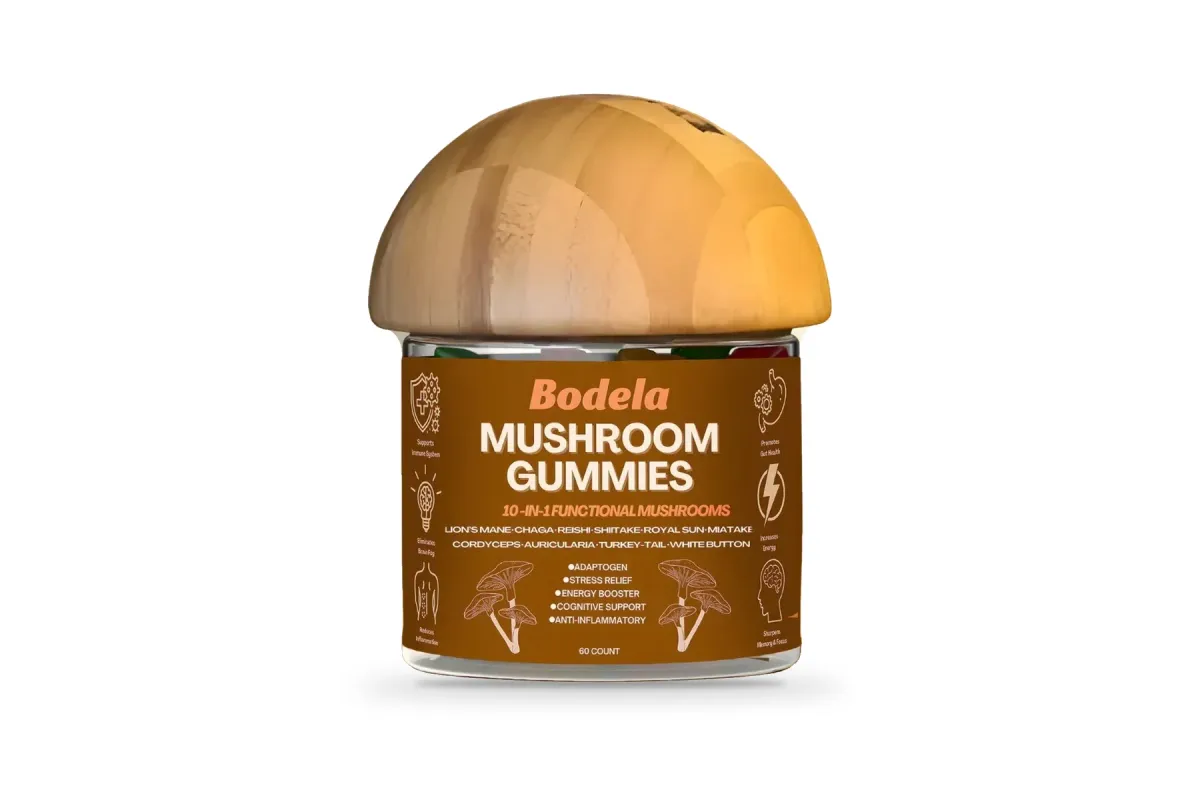
Experience complete wellness with Bodela's 10-in-1 Functional Mushroom Gummies. Each gummy blends Lion’s Mane, Chaga, Reishi, and seven mor…
$89.99each
These are practical red flags to watch for; they do not represent a blanket accusation about gas stations, but they are common reasons products fail verification:
If you encounter these signs, ask the clerk for the COA or the manufacturer’s phone number. If you’re not satisfied with the documentation, leave the product and seek a verified vendor.
TSA screening is focused on security screening procedures, not on searching for drugs; however, discovered illegal substances are referred to law enforcement and checkpoint officers have final authority (TSA). TSA rules on liquids still apply for carryon: containers over 100 mL (3.4 oz) are subject to the liquids rule and must conform to one-quart bag limits (TSA liquids rule). Airline, origin, transit and destination laws vary; international travel especially exposes you to local prohibitions. Do not attempt to hide or mislabel products in checked or carry‑on bags.
Recent federal legislation affecting cannabinoid definitions and thresholds is being implemented in phases. Public Law 119‑37 contains changes with an effective schedule that includes a delayed effective date; some amendments are subject to carve-outs and transitional provisions specified by Public Law 119‑103. One section of the new law was originally scheduled to be effective 365 days after November 12, 2025 (i.e., November 12, 2026), while other specific amendments are deferred until December 11, 2026. These changes affect how total THC is calculated and how synthetically produced cannabinoids are treated; buyers should not assume that all synthetics are already restricted or that a single numerical threshold applies uniformly across all products or jurisdictions. Check the Public Law texts and consult regulatory guidance for the destination state before shipping or traveling with cannabinoid products (Public Law 119‑37; Public Law 119‑103).
A missing report is a reason to pause a purchase, but it does not by itself prove counterfeiting. Likewise, a report with a different lot number could reflect an administrative mistake rather than a fabricated product. Describe what you can actually observe when contacting support: the lot printed on the package, the lot shown on the supplied document, and the field that does not match. This gives a legitimate seller an opportunity to supply the correct record without turning an uncertainty into a public accusation.
If the answer remains unclear, you can choose not to buy. You do not need to conduct a laboratory investigation or accept an explanation that requires you to ignore the label. Keep receipts, photographs, and correspondence if you need to request a return or report a concern through an appropriate consumer channel. Avoid sending a stranger personal health information merely to obtain an ingredient panel or batch document.
The Las Vegas Strip offers many legitimate hemp-derived products, but the convenience environment increases the chance of encountering unlabeled or inadequately documented goods. A responsible buyer checks the label, confirms a batch COA, verifies the testing lab and reads the contaminant and cannabinoid panels with attention to units and detection limits. If a product mixes other actives such as melatonin or St. John’s Wort, treat it as a combination product with additional interaction risks.
If you ever have doubts, do not rely on packaging alone. Ask the seller for the COA and verify the lot with the lab or manufacturer. For more on where to find lab-tested CBD locally, see our guide: Where to Buy Lab-Tested CBD in Las Vegas: The Complete Strip & Locals Guide and related pieces on Nevada law and buying vs. dispensary options (CBD Store vs. Dispensary Near Me: What Las Vegas Visitors Need to Know; CBD Delivery in Las Vegas: How to Get Lab-Tested Hemp Delivered to Your Hotel or Home; Best CBD for Las Vegas Recovery: Sore Feet, Hangovers & Jet Lag).
Contacting support: if you bought a product from an online-only source and need help verifying a COA or shipment, check the site’s contact and shipping pages or call customer service. If you need qualified clinical help for withdrawal or medication interactions, consult a licensed clinician rather than relying on product marketing.
Middle-shelf shopping reminder: do not assume similar product names are identical or that a mushroom gummy is a cannabinoid product. Always read the label and verify the lot COA.
Shop this topic
Looking for relief to start adding to your daily routine? It's time to look no further! Not only is our ACTIV8 CBD Freeze fast-acting, but…
$15$29.99each
Final note: BuyLegalMeds was founded in Las Vegas in 2015 as the company's brand history describes, and the business reports over 600,000 customers served and more than a decade of experience. The store is currently online-only; shipping, fulfillment and lab-test verification policies are available via the site. For shipping and dispatch questions consult the site's shipping policy pages and contact support for order-specific timing. For any regulatory or legal questions consult the Nevada agency pages and the federal texts linked below.
Callouts, quick actions and CTAs:
Compare the current variant, ingredients, and package information before choosing a format. ACTIV8 CBD Tincture: 325mg, 1,000mg, 2,500mg, 5,000mg & 10,000mg CBD and Bodela 10-in-1 Functional Mushroom Gummies - 60 Count and ACTIV8 CBD Freeze Pain Relieving Gel: 250mg & 650mg CBD provide the current catalog details. You can also browse the online collection or ask our support team about an exact label or receiving address.
Compare the lot or batch number on the product label to the lot number on the COA. Confirm the product name, test date and the laboratory identity. If any of these elements are missing or different, the COA does not verify that particular product.
Yes. A hemp‑derived product can contain measurable Delta‑9 THC. Check the COA’s cannabinoid panel for mg of Delta‑9 per container and per serving; measurable Delta‑9 can cause intoxication and could trigger a drug test.
A robust COA lists residual solvents, pesticides, heavy metals and microbial results with each analyte’s measured value and the lab’s limit of quantitation (LOQ) or limit of detection (LOD). POOR reports omit LOQs or list broad pass/fail results without analyte detail.
No. Hemp seed oil is a nutritional oil from seeds and generally contains negligible cannabinoids. CBD oil will list cannabidiol or CBD and show a mg amount; verify that on the label and the COA.
Not necessarily. ‘ND’ should be accompanied by the lab’s detection limit. If the LOQ is high, small but test-detectable amounts could still be present. Confirm the LOQ and consider product dose and your test sensitivity.
Look for labs that publish an ISO/IEC 17025 accreditation or provide method details. Verify the lab’s contact information and, when possible, confirm the report number by contacting the lab directly.
Not necessarily. Some mushroom products explicitly state they contain no CBD, THC or psychedelics (for example, the Bodela 10‑in‑1 Functional Mushroom Gummies). Always read the ingredient list and any COA to confirm content.
Keep the product and packaging, note the lot number and receipt, contact the manufacturer and request lab confirmation. If the product poses a safety risk, consider reporting to Nevada regulators and seek medical attention for any adverse reaction.
These statements have not been evaluated by the Food and Drug Administration. These products are not intended to diagnose, treat, cure, or prevent any disease. This article is for general education only and is not medical advice. Talk with a qualified healthcare professional before using any new product, especially if you are pregnant, nursing, or take medication.
Our ACTIV8 CBD Tinctures are a powerful and an effective way to support your overall well-being. Simply just add a few drops of CBD to your…
$12.50$24.99each
Experience complete wellness with Bodela's 10-in-1 Functional Mushroom Gummies. Each gummy blends Lion’s Mane, Chaga, Reishi, and seven mor…
$89.99each
Looking for relief to start adding to your daily routine? It's time to look no further! Not only is our ACTIV8 CBD Freeze fast-acting, but…
$15$29.99each
Las Vegas CBD Guides14 min read
A practical, up-to-date guide to finding lab-tested CBD in Las Vegas — whether you’re on the Strip, staying in a hotel, or ordering online. Covers COAs, product types, Delta‑9 vs CBD, lawful mushrooms, delivery caveats and local shopping tips.
CBD Shopping Guides14 min read
A practical Las Vegas–focused guide comparing hemp CBD retail and Nevada-licensed cannabis dispensaries—what each can sell, how to compare quality and testing, travel and safety considerations, and shopping advice for visitors.
Las Vegas CBD Guides14 min read
How to order lab-tested CBD to a Las Vegas hotel or home safely and legally, with step-by-step logistics, shipping differences, hotel rules, tracking tips and support resources.
You must be 21 or older to enter.
By entering you agree to our Terms of Service and Privacy Policy.

