
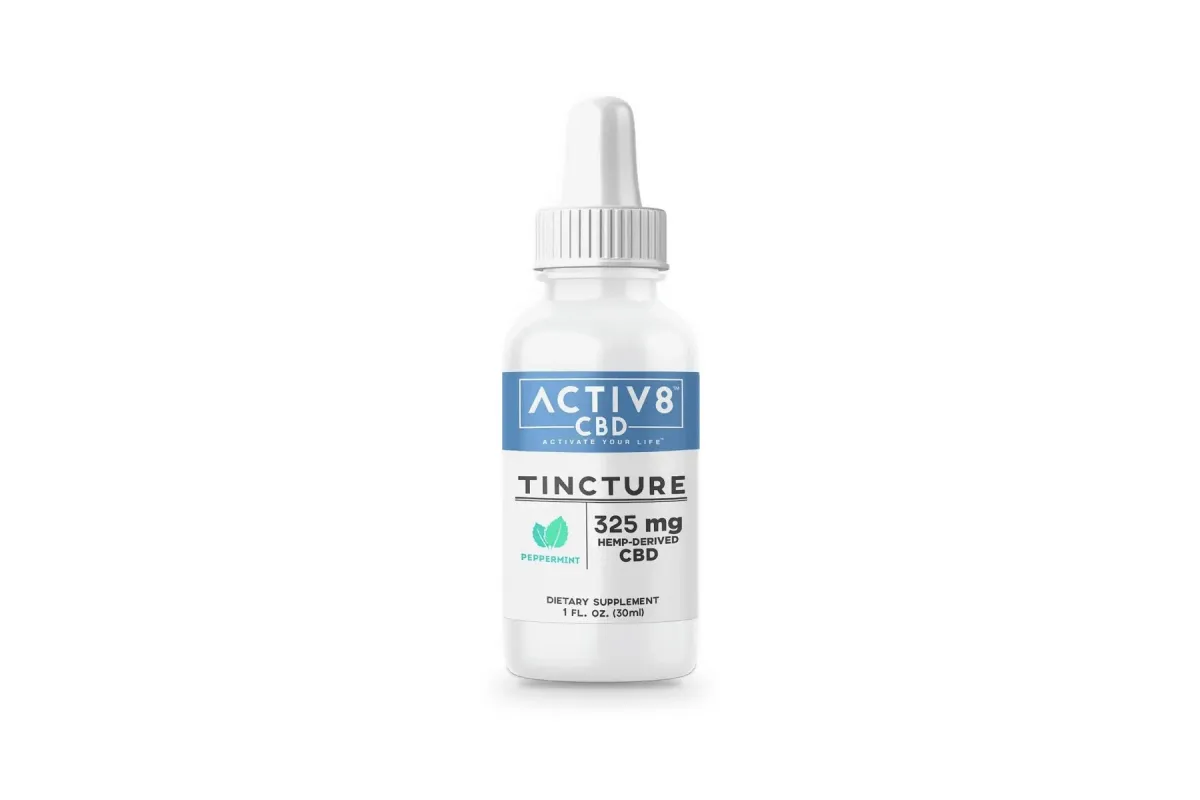
Our ACTIV8 CBD Tinctures are a powerful and an effective way to support your overall well-being. Simply just add a few drops of CBD to your…
$12.50$24.99each
Quantity
1
Free shipping on orders over $75

This article summarizes federal guidance and the evidence base about CBD during pregnancy and breastfeeding, explains product and contamination risks, and offers suggestions for shopper–clinician conversations.
By the BuyLegalMeds team12 min read

Federal public health agencies, including the U.S. Food and Drug Administration (FDA) and the Centers for Disease Control and Prevention (CDC), advise that pregnant and breastfeeding people avoid using CBD and other cannabis-derived products. This article uses the phrase cbd pregnancy breastfeeding guidance in the first paragraph to flag the topic, summarizes the official guidance, explains what is known and what remains uncertain, and gives practical steps shoppers can use when evaluating products or talking with clinicians.
Pregnancy and the early postpartum period are times when people often re-evaluate medications and supplements. For some, CBD products are part of a self-care routine. For shoppers who are pregnant, planning pregnancy, or breastfeeding, federal guidance and the current science recommend caution because the effects of CBD on fetal and infant development are not well established.
Shoppers should know three basic things: agencies advise avoiding CBD during pregnancy and breastfeeding; animal studies have flagged reproductive and developmental signals; and many hemp-derived products sold online are not tightly regulated and can contain unexpected contaminants.
Both the FDA and the CDC have published consumer-facing advisories cautioning against the use of cannabis products, including CBD, during pregnancy and while breastfeeding. The FDA’s consumer update highlights that the agency does not know whether CBD is safe during pregnancy or breastfeeding and points to animal data that suggest potential reproductive toxicity. The CDC advises pregnant people to avoid cannabis in all forms because cannabinoids can cross the placenta and because breast milk can contain cannabinoid residues.
These agencies emphasize uncertainty: research is limited, and there are unanswered questions about how CBD might affect fetal growth, brain development, or infant health when transferred through breast milk.
The FDA’s precautionary position reflects a standard approach: when evidence about safety is limited and potential harms are plausible—especially for vulnerable populations like fetuses or neonates—the agency recommends avoidance until clearer data exist. Pregnancy and lactation raise the bar for safety because exposures can affect development during sensitive windows.
Animal experiments of CBD at relatively high doses have reported changes in reproductive organs, hormone levels, and developmental markers. These findings do not prove the same effects will happen in humans, but they are considered warning signs. That uncertainty is a core reason the FDA discourages CBD use during pregnancy.
There are no well-established, evidence-based dosing regimens for non-prescription CBD products, and long-term controlled human studies in pregnant or breastfeeding people are very limited. Without reliable data on amounts that might be safe, the agencies err on the side of caution.
CBD and other cannabinoids are lipophilic (fat-soluble), which affects how they distribute in the body. Cannabinoids can cross biological barriers and have been detected in amniotic fluid and breast milk in studies of cannabis exposure. Because breast milk contains fats, lipophilic compounds like CBD and THC can concentrate in milk and be available to a nursing infant.
The exact amount of CBD that transfers in typical consumer use is not well characterized, and how that exposure might influence short- or long-term development is not established. This lack of clear exposure–outcome data is why public-health agencies recommend avoiding CBD during lactation.
Animal studies have been reported to show effects on reproductive organs, hormone systems, organ weights, and liver function at high doses of CBD. These findings are biologically plausible reasons for caution, though direct translation from animal dosing to human consumer exposures is challenging.
Human data are limited and often confounded. Many studies combine or cannot separate prenatal exposure that occurred before versus after birth, or they focus on cannabis products that contain both THC and CBD. Observational studies link prenatal cannabis use to outcomes such as low birth weight or preterm birth in some populations, but these studies may be influenced by other factors like tobacco use, socioeconomic variables, or concurrent substance use.
For CBD specifically, robust clinical data in pregnant or lactating people are lacking. Some prescription CBD products (for specific seizure disorders) are approved for use in children in a medical context, but nonprescription CBD products are not approved for pregnancy or lactation and are not evaluated for safety in these populations.
There are several unanswered questions: the dose–response relationship in humans (if any), whether low-level chronic exposure has different effects than short recurring exposures, and whether exposure via breast milk has measurable developmental consequences independent of in utero exposure. The agencies highlight these unknowns as reasons to avoid exposure when possible.
Not all CBD products are the same. Routes of administration and formulation influence how much compound enters the bloodstream and how long it persists.
Which products carry the greatest unknown risks? Because bioavailability and potential for contamination vary, orally consumed products (tinctures, edibles, syrups) and inhaled forms can lead to systemic exposure that could reach the fetus or be secreted into breast milk. Topicals may pose lower systemic exposure in many cases but are not risk-free, particularly if incorrectly labeled or if used over broken skin.
If you want to learn more about formulation differences and how they affect exposure, see our guides on CBD tinctures and CBD sublinguals and lozenges. For a broader view of product types, see our all products collection.
Shop this topic
Our ACTIV8 CBD Tinctures are a powerful and an effective way to support your overall well-being. Simply just add a few drops of CBD to your…
$12.50$24.99each
Looking for a natural way to relax and unwind after a long day? Look no further than strawberry-flavored Cloud N9ne CBD Syrup! Our unique b…
$15$29.99each
Beyond the active ingredient (CBD), many hemp-derived products can contain unintended or undeclared substances. Reported contaminants include:
When pregnant or breastfeeding, potential harm may come not only from CBD itself but from these contaminants. For example, even low levels of THC in a product can change how regulators and clinicians assess risk, and certain pesticides or heavy metals carry their own developmental concerns. The FDA has highlighted product quality and contamination as additional reasons to avoid nonprescription CBD during pregnancy and lactation.
For more on product selection and labels, see our CBD skin care collection and our Cloud N9ne collection.
For more on choosing higher-quality products and reading lab reports, consult a clinician or pharmacist familiar with these reports.
Start with open, factual statements. Clinicians are more helpful when they understand amounts, frequency, and product types. Example phrases to consider:
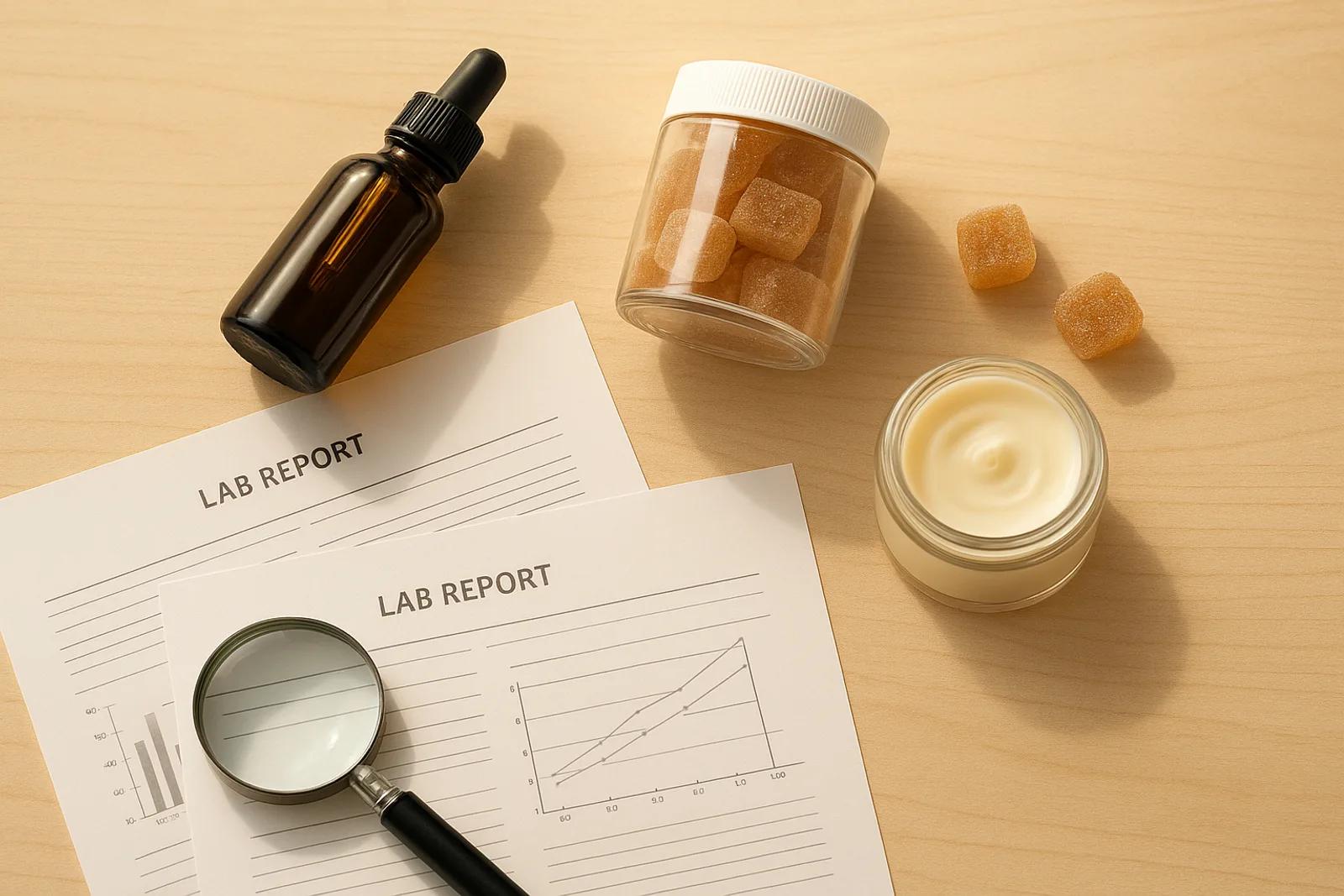
Bring product labels, batch numbers, and any lab reports (COAs) if available. Clinicians can use that information to assess potential drug interactions, contaminants, or exposure levels and discuss alternatives.
If medication management is needed, ask about treatments with established safety profiles in pregnancy and lactation.
Every person’s situation is different. Shared decision-making with a clinician means weighing the potential benefits you perceive, the limited evidence on harms, and the added uncertainty from product quality. The default public-health recommendation is avoidance, but a clinician can help tailor advice when cessation is difficult, when underlying medical needs exist, or when a prescription CBD medicine is being considered for specific conditions under close medical supervision.
For questions about interactions with other medicines, consult your clinician or pharmacist.
If you have pets in your household and use pet-targeted products, be mindful that some pet formulas are concentrated and not intended for human use; see our CBD pets collection for product context.
Public guidance tends to single out whole-plant cannabis exposure because of THC’s known pharmacology, but official communications also lump CBD into the cautionary recommendations because of limited safety data and contamination concerns. Oral products like tinctures, syrups, and edibles are often discussed because they result in systemic exposure that could reach a fetus or be secreted in milk.
Syrups and flavored drinkables can be especially attractive formats and are sometimes used by people who want discrete dosing. Because they are ingested, they may produce prolonged systemic exposure relative to topicals. If you want product context for syrups and drinkables, see our CBD syrups collection.
Some people report subjective benefits from CBD for sleep, anxiety, or pain. Those personal reports are important to individuals, but they do not replace controlled studies that measure safety and long-term outcomes in pregnancy and infancy. When weighing continued use during pregnancy or lactation, remember that perceived benefit for the parent must be balanced against uncertain risks to the fetus or infant.
If symptoms are significant and require management, clinicians can help find safer, evidence-based approaches during pregnancy and breastfeeding.
Shop this topic
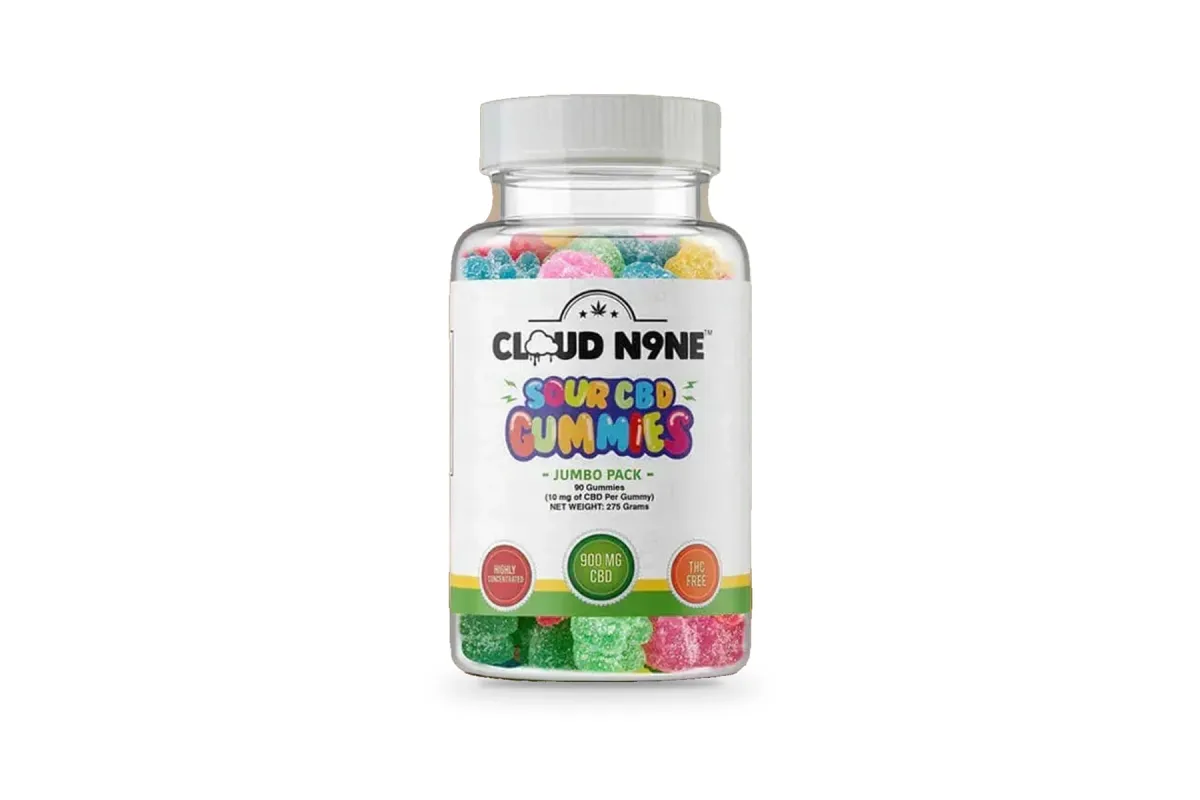
Get your daily dose of CBD with our delicious Cloud N9ne Nighttime CBD Gummies! These gummies are hand-crafted with high-quality ingredient…
$20$39.99each
Looking for relief to start adding to your daily routine? It's time to look no further! Not only is our ACTIV8 CBD Freeze fast-acting, but…
$15$29.99each
Federal guidance is clear in its recommendation: avoid using CBD during pregnancy and while breastfeeding because the safety profile is not established and animal data raise concerns. Product contamination and inconsistent labeling add additional risk for people who might otherwise consider CBD a low-risk supplement.
Shoppers should talk openly with clinicians, bring product labels and lab reports when possible, and prioritize evidence-based, pregnancy-safe alternatives when symptom management is needed. If you decide to continue any CBD product despite guidance, understand that you are choosing to accept uncertainty and potential risks that public health agencies recommend avoiding.
The U.S. Food and Drug Administration (FDA) and the Centers for Disease Control and Prevention (CDC) both advise pregnant and breastfeeding people to avoid cannabis products, including CBD, because safety has not been established and research is limited.
Key unknowns include the dose–response relationship in humans, whether low-level chronic exposure affects brain development, and how much CBD transfers into breast milk from typical consumer products. Animal studies show reproductive and developmental signals at high doses, but human evidence is limited and sometimes confounded.
Contamination is an important concern. If a product is not medically necessary, avoidance is the most straightforward way to eliminate contamination risk. If a shopper continues to use a product, prioritize third-party testing (COAs) for THC, heavy metals, pesticides, and microbes—but remember testing reduces risk rather than removes it.
No. Nonprescription CBD products are not FDA-approved for use in pregnancy or while breastfeeding. The FDA has approved one prescription CBD medication for specific seizure disorders, but that approval does not imply safety in pregnancy or lactation for over-the-counter CBD products.
Bring the product label, batch or lot number, the quantity and frequency you used it, and any third-party lab report (COA) if available. This information helps clinicians assess potential exposures and advise on next steps.
Topicals are often associated with lower systemic absorption, but they are not risk-free. Factors such as frequency of use, amount applied, skin integrity, and formulation can influence absorption. The official guidance does not endorse CBD products for breastfeeding; the safest option endorsed by public health agencies is avoidance.
For shoppers who want to browse product formats, see our collections of CBD tinctures, CBD syrups, and broader product listings. For skin-focused options and topicals, check CBD skin care. For guidance on product selection and interactions, consult a clinician or pharmacist.
Closing product shelf: suggested adult-use browsing options
Shop this topic
Our ACTIV8 CBD Tinctures are a powerful and an effective way to support your overall well-being. Simply just add a few drops of CBD to your…
$12.50$24.99each
Get your daily dose of CBD with our delicious Cloud N9ne Sour Daytime CBD Gummies! These gummies are hand-crafted with high-quality ingredi…
$80$159.99each
Both the U.S. Food and Drug Administration (FDA) and the Centers for Disease Control and Prevention (CDC) advise pregnant and breastfeeding people to avoid CBD and other cannabis products because safety has not been established.
Key unknowns include how much CBD transfers across the placenta or into breast milk at typical consumer doses, whether low-level chronic exposure affects brain development, and long-term developmental outcomes. Animal studies show concerning signals, but human data are limited and often confounded.
If a product is not medically necessary, stopping use eliminates contamination risk. If continuing, prefer products with up-to-date third-party lab reports (COAs) that test for THC, heavy metals, pesticides, solvents, and microbes—while recognizing testing reduces but does not remove risk.
No. Nonprescription CBD products are not FDA-approved for use in pregnancy or breastfeeding, and the FDA advises against their use in these populations due to limited safety data.
Bring product labels, batch numbers, and any lab reports to your appointment. Tell your clinician how often and how much you used, and ask about safer, evidence-based alternatives for symptom management.
Topicals typically have lower systemic absorption, but absorption can vary with formulation and skin condition. Public-health guidance does not endorse CBD products during breastfeeding; avoiding CBD remains the recommended approach.
These statements have not been evaluated by the Food and Drug Administration. These products are not intended to diagnose, treat, cure, or prevent any disease. This article is for general education only and is not medical advice. Talk with a qualified healthcare professional before using any new product, especially if you are pregnant, nursing, or take medication.
Our ACTIV8 CBD Tinctures are a powerful and an effective way to support your overall well-being. Simply just add a few drops of CBD to your…
$12.50$24.99each
Get your daily dose of CBD with our delicious Cloud N9ne Sour Daytime CBD Gummies! These gummies are hand-crafted with high-quality ingredi…
$80$159.99each
Regulation & Safety14 min read
Recent FDA actions and warning letters have shifted the CBD marketplace. This guide explains what those letters mean for shoppers and how to reduce risk when buying CBD online.

Product Guides11 min read
Many CBD lines come in daytime and nighttime versions. Those words describe marketing intent, not guaranteed effects. Here is how to read past the name to the label.

You must be 21 or older to enter.
By entering you agree to our Terms of Service and Privacy Policy.


