
Our ACTIV8 CBD Tinctures are a powerful and an effective way to support your overall well-being. Simply just add a few drops of CBD to your…
$12.50$24.99each
Quantity
1
25% OFF WITH CODE
Limited-Time Sale | Ends November 15 at 7 PM PSTOne-time purchases only.Shop Now
Recent FDA actions and warning letters have shifted the CBD marketplace. This guide explains what those letters mean for shoppers and how to reduce risk when buying CBD online.
By the BuyLegalMeds team14 min read
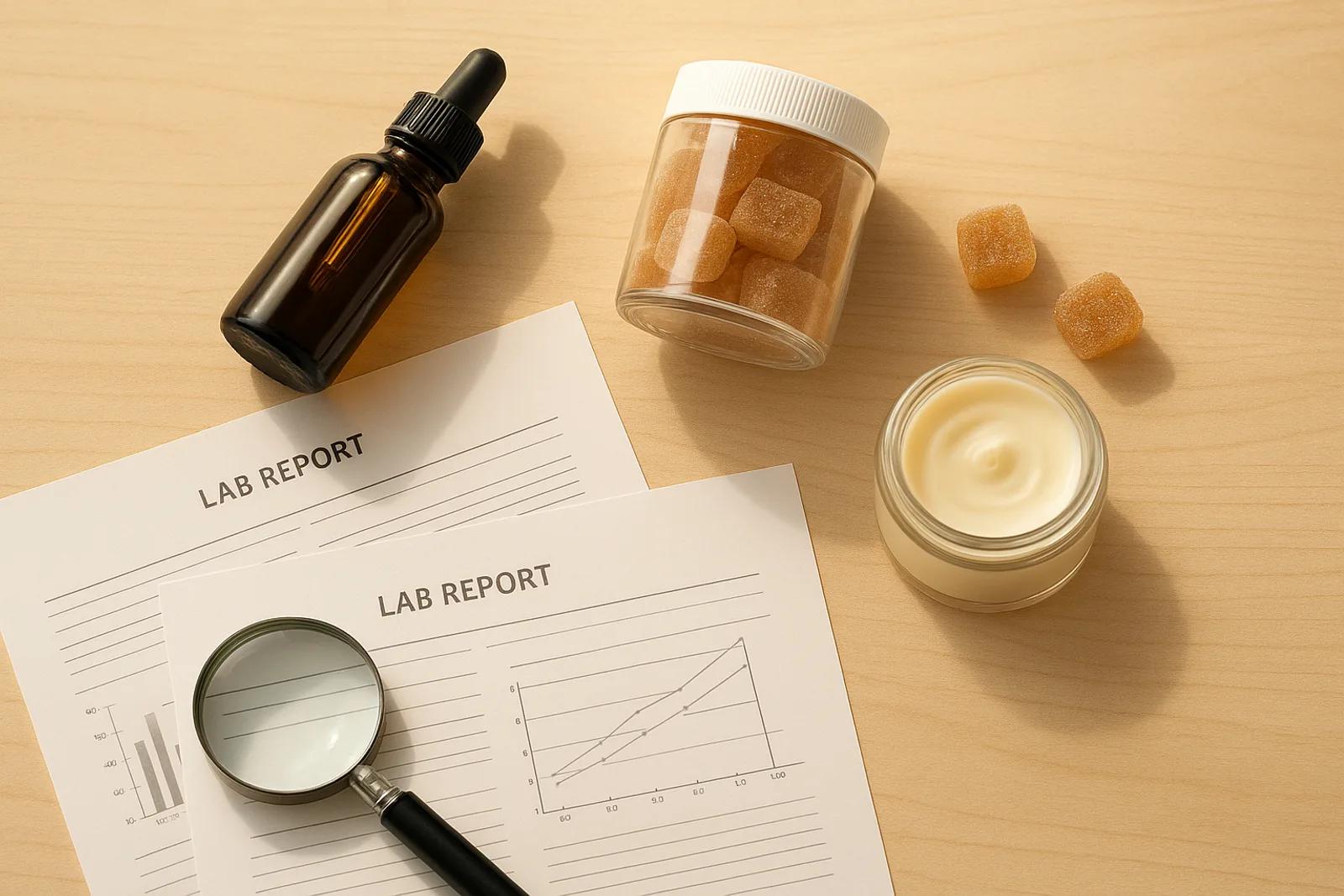
This article explains how fda cbd warning letters shape the online CBD market, what triggers agency action, and practical steps shoppers can take to reduce risk when buying hemp-derived products. It focuses on enforcement trends, how to spot illegal claims, and which labels or documents (like Certificates of Analysis) add trustworthiness.
The U.S. Food and Drug Administration enforces the Federal Food, Drug, and Cosmetic Act (FD&C Act). When companies market products containing cannabis-derived compounds — including cannabidiol (CBD) — in ways the agency has not authorized, FDA may send warning letters. These letters notify firms that their labeling or marketing may make a product an unapproved drug, an adulterated food, or a misbranded product.
FDA uses warning letters to communicate specific violations and to request corrective action. The letters can cover a range of issues from disease claims and unapproved drug marketing to adding CBD to foods or marketing products as dietary supplements when those products do not meet the law's criteria.
For shoppers, a warning letter indicates the agency found statements or product placements that overstep legal boundaries. The letters are not consumer safety recall notices in every case, but they flag significant regulatory concerns and commonly result from the same types of risky marketing.
FDA evaluates a product’s marketing based on the product’s intended use. Intended use can be inferred from labeling, claims on company websites, social media posts, and other promotional materials. If a company markets a CBD product with claims that it can diagnose, prevent, treat, or cure a disease, FDA can consider that product an unapproved new drug.
FDA has said that, aside from certain prescription medicines that underwent FDA review, CBD is not an approved ingredient for general foods or dietary supplements. The agency has concluded that CBD is excluded from the dietary supplement definition because it is the active ingredient in an FDA-approved drug (Epidiolex) and has been the subject of substantial clinical investigations.
When a product is marketed with therapeutic claims (for example, that it helps with a particular medical condition), the product may meet the statutory definition of a drug. Drugs must generally undergo FDA premarket review and approval to be lawfully marketed. If a CBD product is promoted as a drug without FDA approval for that use, the product is considered an unapproved new drug — and FDA warnings or enforcement may follow.
Adding CBD to conventional foods is legally risky because CBD is not an approved food additive and FDA has not found it to be Generally Recognized as Safe (GRAS) for use in foods. Similarly, companies should not market CBD as a dietary supplement because of exclusions in the law. These rules are the reason FDA has cited firms for marketing CBD-infused foods and beverages.
A warning letter is one enforcement tool. If companies fail to address FDA concerns, the agency can pursue seizures, injunctions, or other legal actions. The agency also works with state partners and consumer protection authorities when appropriate.
In plain terms, the common reasons FDA issues warning letters include:
These categories come directly from FDA guidance and the agency’s public list of warning letters for cannabis-derived products.
When FDA sends warning letters, the immediate marketplace effect can vary. Some companies remove or change product pages and marketing materials quickly. Others dispute findings or take longer to comply. For shoppers, the practical outcomes include changes in product descriptions, temporary removal of certain items, or continued availability of products with revised claims.
Shoppers should see warning letters as signals to be more cautious about claims and to pay closer attention to labeling and lab testing documentation. A company that receives a warning letter is required to respond, and some changes may follow; however, the presence or absence of a warning letter on a company does not necessarily mean a product is safe or unsafe.
Enforcement tends to focus on companies making clear medical claims or adding CBD to foods and supplements in ways FDA has said are not permitted. That means products marketed primarily as wellness items with neutral language, clear lab testing, and compliant labeling are less likely to draw agency attention — though this is not a guarantee of safety.
FDA’s public list of warning letters shows repeated themes: marketing CBD products as treatments, adding CBD to conventional foods, and claiming unproven benefits. The agency also has pursued firms that market CBD products intended for animals, especially food-producing animals, where human safety could be affected by residues.
These patterns make it important for shoppers to prioritize transparency and documentation when evaluating online sellers.
Shop this topic
Our ACTIV8 CBD Tinctures are a powerful and an effective way to support your overall well-being. Simply just add a few drops of CBD to your…
$12.50$24.99each
Get your daily dose of CBD with our delicious Cloud N9ne Nighttime CBD Gummies! These gummies are hand-crafted with high-quality ingredient…
$80$159.99each
Learning a few red flags will help you spot problematic marketing quickly. These are the phrases and formats that commonly indicate a product is being marketed outside FDA rules:
If you see these on product pages, assume the company is taking regulatory risk and consider alternatives with more cautious language.
Label facts — ingredient lists, serving size, amount of CBD per serving, and manufacturer contact — are useful. Marketing copy is everything else on the product page or promotional materials. When marketing claims cross into treatment language, the product may be unlawfully positioned as a drug.
Terms like "natural," "clinically tested," or "research-backed" are not illegal per se, but they must be truthful and not misleading. If a product claims to be "clinically tested" but presents no verifiable studies, that is a consumer-protection concern. Similarly, a claim that a product is "safe for children" would be a red flag without sound evidence and appropriate regulatory approvals.
No single document guarantees legal compliance, but a set of clear, verifiable items helps shoppers make more informed choices. Look for:
When a COA is provided, verify that the lab name is visible, the testing date and batch number match the product, and tests include cannabinoid potency and common contaminants (pesticides, heavy metals, residual solvents, microbial limits) where relevant.
For more detail on reading lab reports, see our guide on how to read CBD lab reports for shoppers at how to read CBD lab reports.
Different product formats pose different regulatory and practical risks.
For shoppers browsing by category, our collections pages can help you compare product presentations and labeling standards. Explore tinctures at CBD tinctures or syrups at CBD syrup.
Follow this checklist when you evaluate an online CBD product:
If you want product examples from trusted, transparent listings, see our featured tinctures at ACTIV8 CBD Tincture and browse all options at All products to compare labels and testing documentation.
If you encounter a product marketed with disease or treatment claims, take these steps:
Reporting helps regulators identify patterns and protect other consumers. FDA’s public pages explain how the agency regulates cannabis-derived products and why certain claims trigger action; see FDA’s overview on regulation of cannabis-derived products for background and reporting guidance.
CBD regulation is in flux and has been a focus of FDA public statements and enforcement. The agency has emphasized that current frameworks for foods and dietary supplements are not appropriate for CBD and that Congress and FDA may need to work on new regulatory pathways. Meanwhile, the agency continues to monitor the market and take enforcement actions when it identifies violations.
Shoppers should expect continued enforcement focused on clear disease claims and unauthorized use of CBD in foods or supplements. At the same time, vendors that prioritize transparent labeling, provide batch COAs, and use compliant language are less likely to attract regulatory attention.
FDA has acknowledged limits in the current statutory framework for CBD and mentioned working with Congress on approaches that could provide clarity for industry and consumers. Any legislative or regulatory changes would likely take time, so buyers should continue using careful evaluation practices.
Regulation is one part of safety. Consumers also benefit from independent research, community reviews, and third-party testing. When evaluating vendors, consider:
Our guidance on how to choose quality CBD products online summarizes many of these practical checks and can be found at how to choose quality CBD products online.
Shop this topic
Looking for a natural way to relax and unwind after a long day? Look no further than our 8-pack of Cloud N9ne CBD Syrup! Our unique blend o…
$120$239.99each
Looking for relief to start adding to your daily routine? It's time to look no further! Not only is our ACTIV8 CBD Freeze fast-acting, but…
$15$29.99each
When FDA issues a warning letter, responsible companies typically do the following:
These actions may restore compliance, but they do not retroactively authorize prior claims or packaging. Consumers should look for evidence that a vendor has made the requested changes and consider whether the vendor’s transparency improved after the letter.
FDA warning letters are an important consumer-protection tool. For shoppers, they are a cue to pay closer attention to marketing language, lab testing, and labeling transparency. While regulation continues to evolve in 2024 and beyond, sellers who prioritize clear, non‑therapeutic language and robust third‑party testing help buyers reduce risk.
If you want specific product ideas that pair clear labeling with transparent testing policies, start by comparing tinctures in our CBD tinctures and check product pages for batch COAs and manufacturer contacts before you buy.
FDA warning letters typically target marketing that claims a CBD product prevents, treats, or cures a disease, or that otherwise positions the product as a drug without FDA approval. Marketing CBD as a dietary supplement or adding CBD to conventional foods in ways that skirt food additive rules has also resulted in warning letters. These findings are based on FDA’s enforcement descriptions and the agency’s public list of warning letters.
If a product makes disease or treatment claims, do not buy it. Save screenshots and URLs as evidence, and file a report with the FDA. If you experienced an adverse event, consult a healthcare professional and report the incident through FDA’s safety reporting channels. Reporting helps regulators and protects other consumers.
Look for clear ingredient lists, batch-specific Certificates of Analysis (COAs) from reputable labs, labeled CBD amounts per serving and per package, and transparent contact information for the manufacturer. COAs that list cannabinoid potency and tests for common contaminants (pesticides, heavy metals, solvents, microbial limits) are particularly helpful.
Testimonials and influencer posts are not a substitute for verifiable testing or compliance. They may describe personal experiences but do not prove safety or regulatory compliance. Always verify third-party lab results and check that the seller avoids unlawful claims.
FDA has stated that CBD is not an approved food additive and has concluded that CBD is excluded from the dietary supplement definition under current statutory provisions. As a result, adding CBD to conventional foods or marketing it as a dietary supplement can create legal risks, and FDA has issued warnings related to these practices.
FDA’s pages on "FDA Regulation of Cannabis and Cannabis‑Derived Products, including Cannabidiol (CBD)" and the agency’s public list of "Warning Letters for Cannabis‑Derived Products" lay out the agency’s current positions and the specific warning letters it has issued. These are primary sources for understanding recent enforcement.
This article showed featured products earlier to help shoppers compare clear labeling and transparent listings. For more product categories, explore our collections and product pages linked above.
FDA typically issues warning letters for marketing that claims a CBD product prevents, treats, or cures disease, for marketing CBD as a dietary supplement when excluded by law, and for adding CBD to conventional foods without authorization. These categories reflect the agency’s public enforcement priorities.
Do not purchase products that make disease-treatment claims. Save screenshots and URLs as evidence and report the product to FDA. If you have an adverse reaction, seek medical advice and report the event to FDA’s safety reporting system.
Prefer products with batch-specific Certificates of Analysis (COAs) from accredited labs, clear ingredient lists, explicit CBD amounts per serving, and transparent manufacturer contact information. COAs that test for potency and common contaminants are especially useful.
FDA has stated that CBD is not an approved food additive and has concluded that CBD is excluded from the dietary supplement definition under current federal law, which creates legal risks for foods and supplements containing CBD.
Check that the COA lists a testing lab with verifiable credentials, an accreditation standard (such as ISO/IEC 17025 where available), a test date and batch number that matches the product, and tests for cannabinoid potency plus common contaminants.
These statements have not been evaluated by the Food and Drug Administration. These products are not intended to diagnose, treat, cure, or prevent any disease. This article is for general education only and is not medical advice. Talk with a qualified healthcare professional before using any new product, especially if you are pregnant, nursing, or take medication.
Our ACTIV8 CBD Tinctures are a powerful and an effective way to support your overall well-being. Simply just add a few drops of CBD to your…
$12.50$24.99each
Looking for a natural way to relax and unwind after a long day? Look no further than our 8-pack of Cloud N9ne CBD Syrup! Our unique blend o…
$120$239.99each
Our CBD Pet Drops are a natural, safe, and effective way to support your furry friend's overall well-being. Made with high-quality CBD oil…
$12.50$24.99each

Quality & Testing11 min read
A lab report is only useful if you know what to look for. This guide walks through a certificate of analysis section by section and flags the warning signs.

CBD Edibles11 min read
Gummies are the most familiar way to try CBD, and also one of the easiest places to misread a label. Here is how to compare strengths, counts, ingredients, and quality.

Product Guides11 min read
Many CBD lines come in daytime and nighttime versions. Those words describe marketing intent, not guaranteed effects. Here is how to read past the name to the label.

You must be 21 or older to enter.
By entering you agree to our Terms of Service and Privacy Policy.


