
Our ACTIV8 CBD Tinctures are a powerful and an effective way to support your overall well-being. Simply just add a few drops of CBD to your…
$24.99each
Quantity
1
25% OFF WITH CODE
Limited-Time Sale | Ends November 15 at 7 PM PSTOne-time purchases only.Shop Now
New to CBD? This guide explains what the word means, how products differ, how to read a label without getting tripped up by milligrams, and what to check before you buy.
By the BuyLegalMeds team12 min read
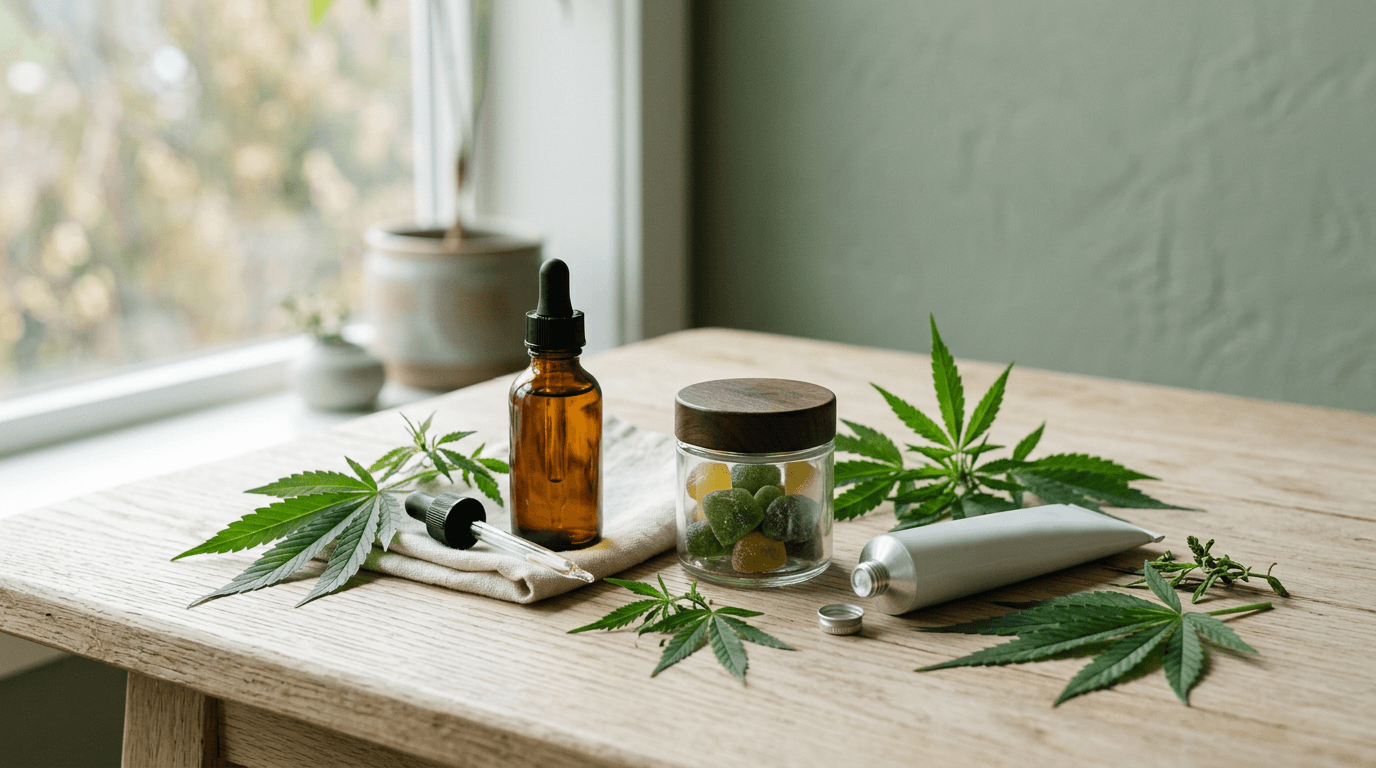
Walking into the CBD aisle, or opening a CBD category online for the first time, can feel like learning a new vocabulary. Words like isolate, full spectrum, milligrams, tincture, and certificate of analysis appear on the same page, and the products themselves look nothing alike. This guide is written for the person who has heard of CBD, is curious, and wants a calm, accurate explanation before spending money. It covers what CBD is, how it differs from THC, what the main product formats are, how to read a label, what quality and transparency look like, and where the real safety questions sit.
One note on scope. This is general consumer education. It does not tell you what CBD will do for you, and it does not suggest how much to use. Where the science is limited or regulation is unsettled, the guide says so plainly.
CBD is short for cannabidiol. It is one of many naturally occurring compounds called cannabinoids that are found in the cannabis plant family. Researchers have identified well over a hundred cannabinoids, but only a few appear in consumer products in meaningful amounts. CBD and THC are the two most familiar.
Cannabinoids are extracted from the plant and then formulated into finished products. The extract might be diluted in an oil, blended into a gummy, stirred into a syrup, or mixed into a lotion. The cannabinoid itself is the same kind of molecule in each case, but the format changes how the product is used, how its strength is labeled, and how you compare one product with another.
The National Center for Complementary and Integrative Health, part of the National Institutes of Health, notes that CBD is the active ingredient in one prescription medicine approved by the FDA to treat certain seizure disorders, and that research on other uses is still developing. That single approved drug is a pharmaceutical product with a defined dose and clinical oversight. It is a different thing from the over-the-counter CBD products sold in stores and online, which have not been evaluated by the FDA for safety or effectiveness. Keeping those two categories separate in your mind avoids a lot of confusion.
The terms hemp and marijuana both describe varieties of the cannabis plant, and the difference between them is mostly legal rather than botanical. Under the 2018 Farm Bill, hemp is defined as cannabis and its derivatives containing no more than 0.3 percent delta-9 THC on a dry weight basis. Cannabis above that threshold is treated differently under federal law.
You will usually see the word hemp on CBD product pages for this reason. A hemp-derived CBD product is made from a plant that met the federal definition at the time it was grown and tested. The USDA oversees the domestic hemp production program, and the federal rules are published in the Code of Federal Regulations.
Two cautions are worth keeping in mind. First, being made from hemp does not mean a finished product is free of THC. Many products contain small, labeled amounts. Second, federal law is only one layer. States set their own rules for hemp-derived products, and those rules differ and change. Always check what applies where you live.
Shop this topic
Our ACTIV8 CBD Tinctures are a powerful and an effective way to support your overall well-being. Simply just add a few drops of CBD to your…
$24.99each
Get your daily dose of CBD with our delicious Cloud N9ne Daytime CBD Gummies! These gummies are hand-crafted with high-quality ingredients…
$24.99each
Looking for a nourishing and moisturizing lotion that can also provide the benefits of CBD? Look no further! Our Cucumber Melon CBD Lotion…
$19.99each
THC, or tetrahydrocannabinol, is the cannabinoid best known for causing intoxication. CBD does not produce the same high, which is a major reason it is sold so widely. But two points keep this comparison from being as simple as it sounds.
First, some CBD products contain THC. Whether a product is labeled isolate, broad spectrum, or full spectrum affects how much THC may be present, and the later guide in this series on those three terms explains the details. If you are subject to workplace drug testing, or if you simply want no THC at all, the type of product matters.
Second, CBD is not free of effects or risks. The FDA has raised concerns about possible liver injury, interactions with other medicines, drowsiness, and gastrointestinal upset in connection with CBD, particularly at higher intakes. Not causing a high is not the same as having no effect on the body.
If you want to understand the THC side of the market, including delta-8 and delta-9 products, read our separate guide on hemp-derived THC. It is a different product category with different considerations, and it should not be mixed up with an ordinary CBD purchase.
Format is the first practical choice you make, and it shapes almost everything else: how the product is taken, how its strength is expressed, how it tastes, and how it compares on price.
A tincture is a liquid, typically sold in a small bottle with a dropper. The cannabinoid extract is dissolved in a carrier, commonly an oil. Tinctures are popular with people who like measuring and adjusting amounts by the dropper, because the liquid can be divided more finely than a gummy. They also tend to list a total strength for the whole bottle, which is one of the most common sources of label confusion, discussed below. Our catalog includes tinctures from ACTIV8, UrbanLeaf Naturals, and American CBD, and our full guide to tinctures walks through how to compare them.
Gummies are the most approachable format for many first-time buyers. Each piece is a fixed, countable serving, there is no measuring, and the flavor is familiar. The trade-off is that the amount per piece is set by the manufacturer, and gummies contain other ingredients such as sweeteners and gelling agents. Our guide to CBD gummies covers how to compare package counts, per-piece amounts, and formulations.
Topicals include lotions, gels, balms, lip products, and bath items meant for use on the skin. They are regulated differently from products you swallow, and the way their strength is labeled can be misleading if you assume the milligram figure works the way it does on a gummy. Topicals are best evaluated like skin care products: ingredients, scent, texture, and any warnings. Our topicals guide goes into detail.
The catalog also includes drinkable syrups, a sublingual syringe format, an isolate powder, bath products, tea, and other items. Each has its own label conventions. When you meet a format you have not seen before, the same questions apply: what is the total amount in the package, how many servings does the package state, and what does the label tell you about the other ingredients.
Strength is where most beginners get tangled, so it is worth slowing down. A CBD product label usually shows a number followed by mg, as in 500mg CBD. That number can mean several different things depending on the product.
On many tinctures, syrups, and powders, the large number on the front is the total amount of CBD in the entire container. A bottle labeled 1,000mg does not deliver 1,000 milligrams in a single use. It contains that much across every dropper in the bottle. The label should also state the serving size and the amount per serving, and that is the number you need if you want to compare one product against another.
On gummies, the package may show both a total and a per-piece amount. The title of a listing such as 20 Pack / 200 mg tells you the whole box contains 200 milligrams across 20 pieces, which works out to an average of 10 milligrams per piece. Checking this arithmetic yourself is a good habit, and it also protects you against comparing a 10-piece box with a 90-piece box as if they were the same product.
For liquids, some labels express concentration, such as milligrams per milliliter. This is useful when two bottles come in different sizes. A larger bottle with a bigger total number is not necessarily stronger drop for drop. Dividing the total milligrams by the bottle volume gives you concentration, and it puts different bottle sizes on equal footing.
On a lotion or gel, the milligram figure is typically the total amount of CBD in the whole container, not an amount that enters your body. Topicals are used on the skin, and the label figure describes the formula, not a measured delivery. This is why topical strengths should not be compared to the strengths of products you swallow.
Shop this topic
If you're looking for a quick and easy way to get your daily dose of CBD, look no further than our ACTIV8 CBD Syringe! This innovative prod…
$34.99each
Get your daily dose of CBD with our delicious Cloud N9ne Nighttime CBD Gummies! These gummies are hand-crafted with high-quality ingredient…
$159.99each
Our CBD Pet Drops are a natural, safe, and effective way to support your furry friend's overall well-being. Made with high-quality CBD oil…
$24.99each
Several beliefs about CBD come up so often that they are worth naming directly.
CBD products are not pre-approved by the FDA, so much of the quality burden falls on manufacturers and on you as the shopper. The FDA has tested a number of products sold online and found that some contained far less or far more CBD than their labels claimed, and has issued warning letters to companies making unproven medical claims. That history is the reason transparency matters.
Here is what to look for.
We say plainly that we cannot confirm a lab report exists for every product. If a listing does not show one, ask customer support before you buy. A seller who is confident in its documentation should be glad to answer.
Safety is where a beginner guide should be most careful, because the honest answer to many questions is that the evidence is still developing.
The FDA has identified several areas of concern. The agency notes that CBD can cause liver injury, can affect how other drugs are processed, and can cause side effects such as drowsiness, diarrhea, and changes in appetite. It also says there are open questions about long-term use, effects on the developing brain, and effects on the reproductive system. The FDA has advised that pregnant and breastfeeding people should avoid CBD products.
Interactions deserve special attention. Cannabinoids are processed by some of the same liver enzymes that handle many prescription medicines. If you take any prescription medicine, particularly one with a narrow safety margin, talk with your pharmacist or doctor before adding CBD. This is not a formality. It is the single most useful safety step available to you.
Other practical points follow.
A short checklist can turn a confusing shelf into a manageable decision. Before you add anything to your cart, work through these questions.
None of these questions require expertise. They require reading carefully and being willing to skip a product that cannot answer them.
If you are browsing here, a practical way to start is to pick the format first, then compare within it. The tinctures collection groups liquid products, the gummies collection groups chewables, and the full catalog is available under all products. Within a format, compare total milligrams, the number of servings, and price per serving, and open each product page to read the full label information.
If you are interested in recurring delivery, eligible subscription items are offered at 50 percent off with a three-order minimum commitment, and pausing or cancelling a subscription is handled by our customer support team. Read the terms on the product page before you subscribe, and treat a subscription as a convenience for something you already know you want rather than a reason to try a new product.
A good first purchase is a modest one. Choose a single product in a format you understand, read its label and documentation, and keep notes. The goal is not to find the most potent option. It is to buy something you understand, from a seller who is open about what it is.
Hemp-derived CBD containing no more than 0.3 percent delta-9 THC on a dry weight basis is treated differently from marijuana under the 2018 Farm Bill. State laws vary, and the FDA has not approved CBD as an ingredient in dietary supplements or foods, so check the rules where you live.
CBD does not produce the same intoxication as THC. However, some CBD products contain small amounts of THC, so read the label and any lab report to see what is in the product you are considering.
On many tinctures, syrups, and powders it is the total amount of CBD in the whole container, not the amount in one serving. Look for the serving size and the amount per serving to compare products fairly.
It can. CBD is processed by some of the same liver enzymes that handle many prescription medicines. Talk with your pharmacist or doctor before using CBD if you take any medication.
There is no single best format. Gummies are countable and simple, tinctures allow finer measuring, and topicals are used on the skin. Pick the format that fits how you want to use it, then compare labels within that format.
These statements have not been evaluated by the Food and Drug Administration. These products are not intended to diagnose, treat, cure, or prevent any disease. This article is for general education only and is not medical advice. Talk with a qualified healthcare professional before using any new product, especially if you are pregnant, nursing, or take medication.
Our ACTIV8 CBD Tinctures are a powerful and an effective way to support your overall well-being. Simply just add a few drops of CBD to your…
$24.99each
Get your daily dose of CBD with our delicious Cloud N9ne Daytime CBD Gummies! These gummies are hand-crafted with high-quality ingredients…
$24.99each
Looking for a nourishing and moisturizing lotion that can also provide the benefits of CBD? Look no further! Our Cucumber Melon CBD Lotion…
$19.99each
If you're looking for a quick and easy way to get your daily dose of CBD, look no further than our ACTIV8 CBD Syringe! This innovative prod…
$34.99each
CBD Tinctures11 min read
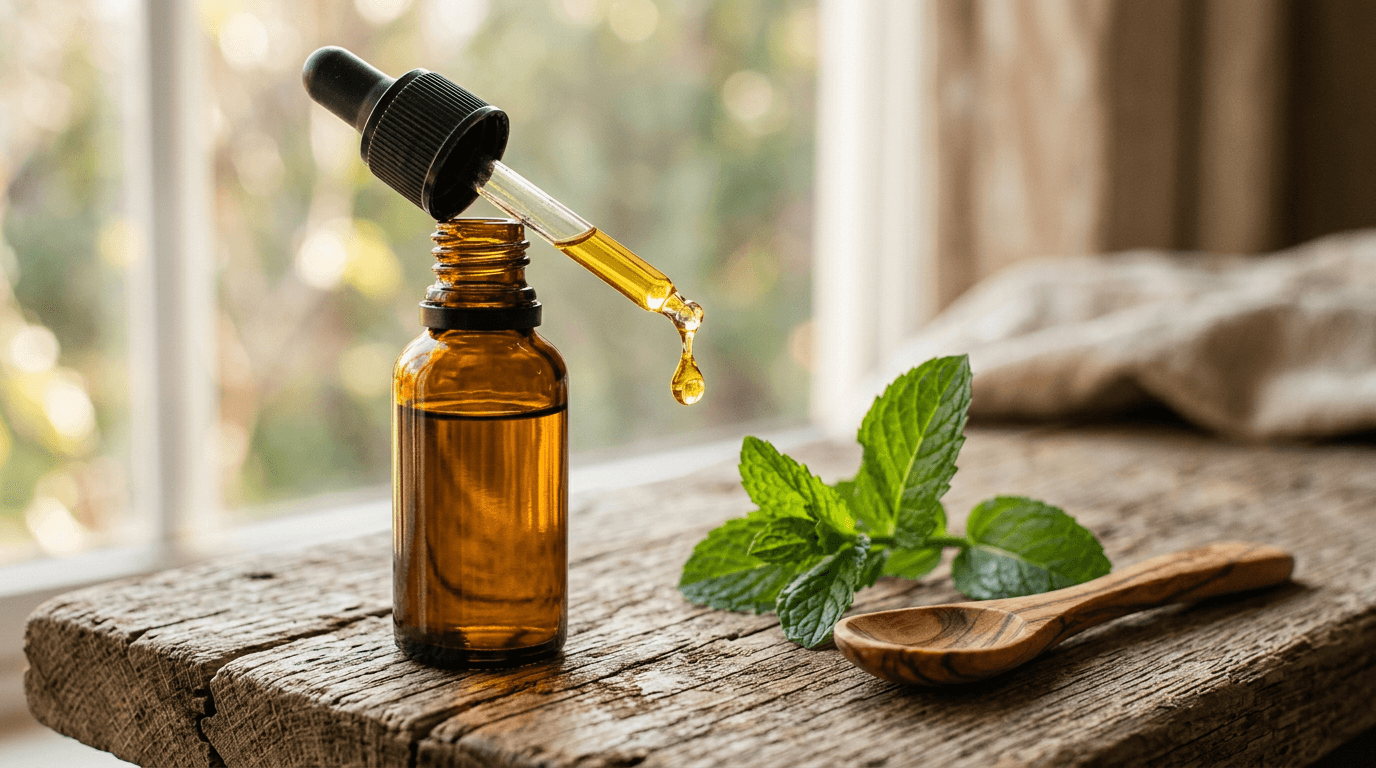
A tincture label shows one big number, and that number is easy to misread. This guide explains concentration, carriers, flavors, storage, and how to compare brands fairly.
CBD Edibles11 min read
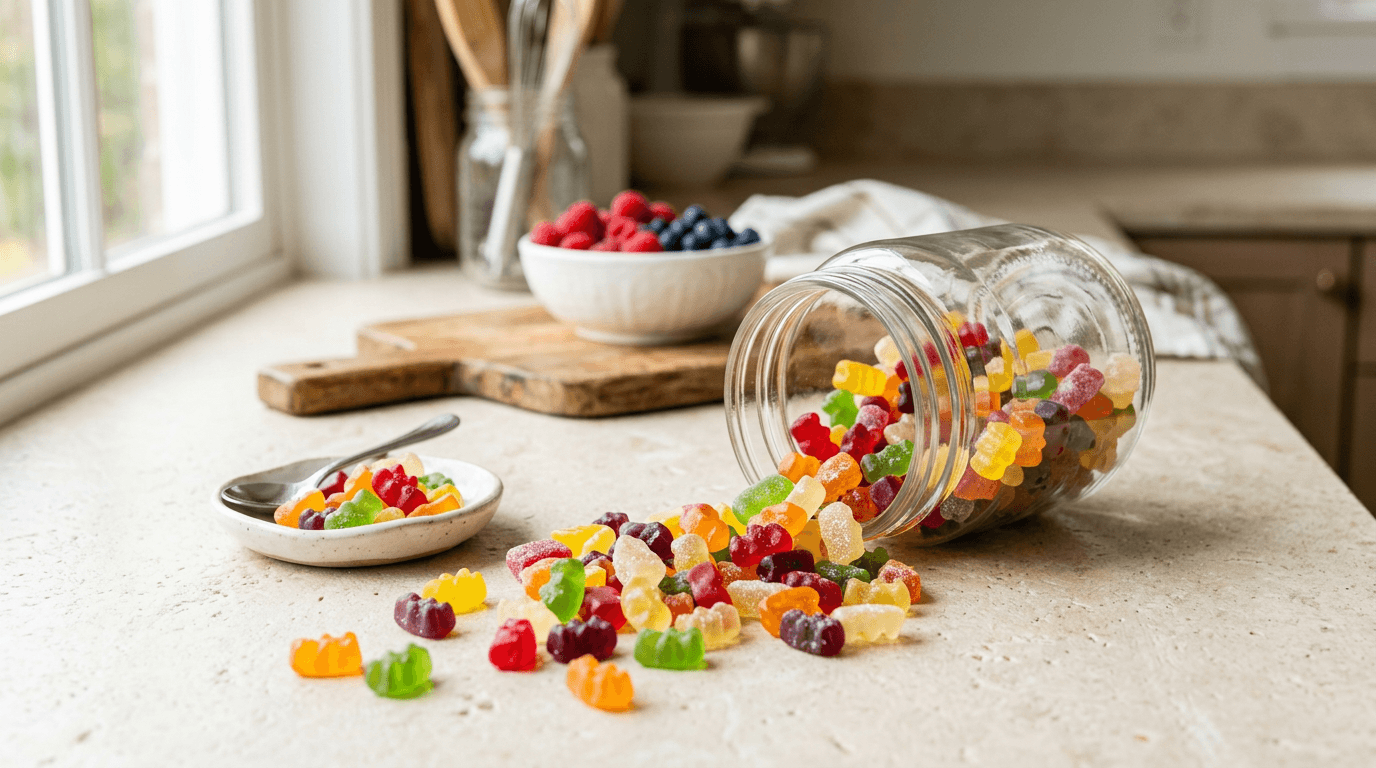
Gummies are the most familiar way to try CBD, and also one of the easiest places to misread a label. Here is how to compare strengths, counts, ingredients, and quality.
Quality & Testing11 min read
A lab report is only useful if you know what to look for. This guide walks through a certificate of analysis section by section and flags the warning signs.

You must be 21 or older to enter.
By entering you agree to our Terms of Service and Privacy Policy.


