
Our ACTIV8 CBD Tinctures are a powerful and an effective way to support your overall well-being. Simply just add a few drops of CBD to your…
$24.99each
Quantity
1
25% OFF WITH CODE
Limited-Time Sale | Ends November 15 at 7 PM PSTOne-time purchases only.Shop Now
A lab report is only useful if you know what to look for. This guide walks through a certificate of analysis section by section and flags the warning signs.
By the BuyLegalMeds team11 min read
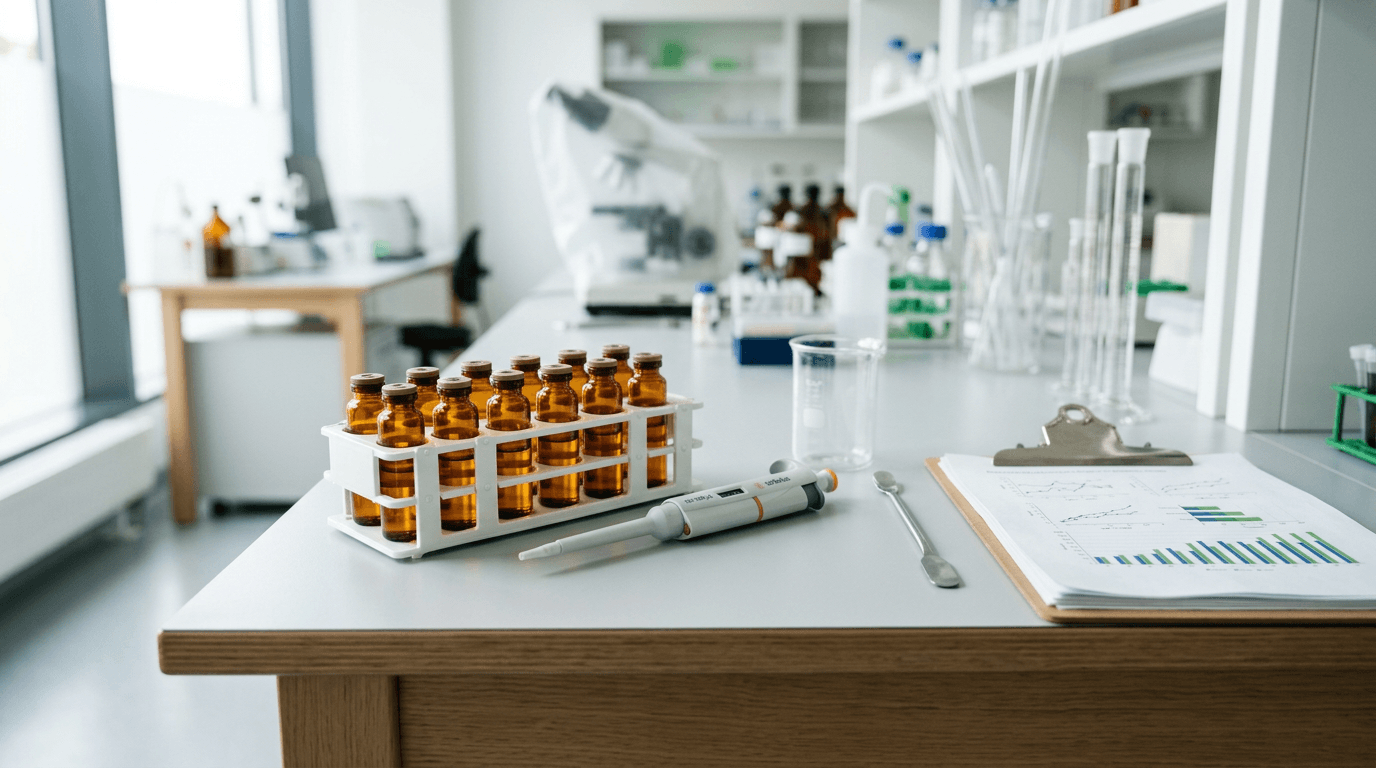
A certificate of analysis, usually shortened to COA, is the closest thing the CBD market has to a receipt for what is inside a product. Because over-the-counter CBD is not approved or pre-checked by the FDA, an independent lab report is one of the few ways a shopper can find out whether the number on the front of the package has any relationship to what was measured. The trouble is that a COA is dense, technical, and easy to misread. Many shoppers see a PDF with a lot of numbers, assume it must be fine, and move on.
This guide explains what a COA is, how to match it to the product in your hand, what each section means, and which red flags should make you pause. It is educational and does not guarantee that any particular product is safe or accurate. A report is a snapshot of one batch on one day, and it is only as trustworthy as the laboratory that produced it.
One honest note about our own store. We are not able to confirm from this guide that a lab report is posted for every product we sell. If you cannot find one on a product page, ask our customer support team before you buy. Use the checklist below on anything we send you.
The FDA has tested cannabinoid products sold online and found that some contained much less CBD than their labels claimed, some contained more, and some contained THC that was not listed. The agency has also issued warning letters to companies for illegal marketing. An independent report does not fix those problems, but it gives you evidence you can check instead of marketing you have to trust.
A good report answers four questions.
The sections below show how to answer each.
A COA is a document issued by a testing laboratory that lists the tests performed on a specific sample and the results. In the CBD industry, the sample is drawn from a production batch, meaning a quantity of product made together under the same conditions. The lab measures what it can detect and reports numbers, with the method it used and the limits of what it can measure.
Third-party means the lab is independent from the company that makes or sells the product. That independence matters because a manufacturer testing its own product has an obvious conflict of interest. Third-party testing does not by itself prove quality, but it is a prerequisite.
Shop this topic
Our ACTIV8 CBD Tinctures are a powerful and an effective way to support your overall well-being. Simply just add a few drops of CBD to your…
$24.99each
Taste the natural power of CBD with UrbanLeaf Naturals CBD Tinctures! Our tinctures are made with pure, unflavored CBD, carefully extracted…
$29.99each
Looking for a powerful and effective way to support your overall well-being while also giving back to our troops? Our American CBD Tincture…
$29.99each
Before you read a single result, confirm the report is about what you bought.
The report should name the product, or a clearly related product, and the format. A COA for a raw extract is not a COA for a finished gummy. If the report describes a bulk extract or an ingredient rather than the finished product, it tells you about the starting material, not about the final item. A finished product can differ because of dilution, mixing, and added ingredients.
The batch or lot number on the report should match the number printed on your package. This is the most important matching step, and the one most often skipped. A seller may post an impressive report for one batch while shipping a later batch with no testing. If your package has a lot number that does not appear on the report, you do not have evidence about your product. Ask the seller for the report that covers your lot.
Check the date the sample was received, the date of analysis, and the date the report was issued. A report that is years old, or that predates the manufacturing date of your batch, cannot describe your package. Some labs also list an expiration or retest date.
The report should show the name and contact information of the lab, and ideally a lab accreditation number. We return to accreditation below.
The cannabinoid section, sometimes called the potency test, lists how much of each cannabinoid the lab measured. It is the section most shoppers want to read first.
Results are usually shown in one or more of these units.
The label gives total milligrams, and the report gives a concentration, so you may need to convert. For a tincture, multiply the mg/mL result by the bottle volume in milliliters to estimate the total. For example, a 30 milliliter bottle measured at 16.7 mg/mL contains about 500 milligrams of CBD in total. Labs and manufacturers allow for some variation, and many reports show a result within about 10 percent of the label as reasonable, though what is acceptable depends on the product and the standard.
Look at the CBD result and compare it to the label. A product labeled 500mg that measures 480 or 520 is close. One that measures 150 is a serious problem. One that measures far above the label is also a problem, because it suggests inconsistent manufacturing.
Reports often list several abbreviations. Common ones include CBD, THC, THCA, CBDA, CBG, CBN, and CBC. A few notes follow.
The cannabinoid profile is also how you verify the product type. An isolate product should show CBD and little or nothing else. A broad-spectrum product should show CBD plus other cannabinoids, with THC not detected. A full-spectrum product will usually show a range of cannabinoids, including a small amount of THC. If the product claims to be THC free and the report shows a measurable THC result, the claim does not match the evidence. Our guide on isolate, broad spectrum, and full spectrum explains the terms.
For hemp-derived products, THC is the number that makes or breaks legal status at the raw material stage. Under the 2018 Farm Bill, hemp is defined as cannabis and its derivatives with no more than 0.3 percent delta-9 THC on a dry weight basis. The USDA and the Code of Federal Regulations describe how hemp is tested and sampled.
A few cautions follow.
Potency is only half the story. A thorough lab package also screens for substances that should not be in a product you swallow or apply. Not every COA contains every panel, and the absence of a panel should be noted.
Plants absorb metals from soil, and hemp is known to be good at taking them up. A heavy metals panel typically tests for arsenic, cadmium, lead, and mercury, and reports results in parts per billion or parts per million, along with a pass or fail against stated limits.
A pesticide panel looks for residues of agricultural chemicals. The report lists many compounds, usually as not detected, with a limit for each. Hemp is a crop, and pesticide use on it is regulated unevenly, which is why this panel matters.
CBD extraction often uses solvents such as ethanol, butane, or carbon dioxide. A residual solvents test confirms that solvent left over after processing is below accepted limits.
A microbial panel looks for bacteria, yeast, mold, and specific pathogens. This is especially important for edible and water-based products, where microbes can grow.
Some labs also test for mycotoxins, which are toxins produced by mold, and for water activity or moisture. Terpene profiles may also appear, though they relate more to aroma than to safety.
A good panel states the limit it is measuring against, the result, and whether the sample passed. Be wary of a report that lists results with no limits, or says pass without showing the numbers. If a panel is missing entirely, treat the report as a partial picture.
A report is only as reliable as the lab behind it. You do not need to be an expert, but a few checks help.
These are signs that a report may be unreliable or may not apply to your product. Any one of them is a reason to ask questions.
Imagine you are considering a tincture labeled 1,000mg CBD in a 30 milliliter bottle.
Not every report will be this clean, and an imperfect report is not always a reason to avoid a product. But if you cannot answer these six questions, ask the seller for what is missing.
If you are shopping our catalog, start with a product page and look for any posted lab information. Then compare the lot number on your package, when it arrives, with the report. If anything does not match, contact customer support and share a photo of the label. You can browse the full range under all products.
A lab report will not make a product good, but it can make it knowable. The shopper who checks the lot number, compares potency to the label, looks for a contaminant panel, and notices what is missing is far better protected than one who takes a logo and a PDF on faith. Make it a habit, ask questions, and treat transparency as a feature of the product itself.
A certificate of analysis is a document from a testing laboratory listing the tests performed on a specific batch sample and the results. Third-party means the lab is independent of the seller.
Compare the batch or lot number on your package with the number on the report, and check that the report covers the finished product and is dated around that batch.
ND means not detected, which means the compound was below the smallest amount the lab method could measure. It does not mean none exists in any amount.
No. Potency shows what cannabinoids are present, but contaminant panels for heavy metals, pesticides, residual solvents, and microbes help show whether the batch is free of substances that could be harmful.
Ask the seller to provide one for your specific lot before you buy or use the product. If they cannot, consider choosing a product that can show its testing.
These statements have not been evaluated by the Food and Drug Administration. These products are not intended to diagnose, treat, cure, or prevent any disease. This article is for general education only and is not medical advice. Talk with a qualified healthcare professional before using any new product, especially if you are pregnant, nursing, or take medication.
Our ACTIV8 CBD Tinctures are a powerful and an effective way to support your overall well-being. Simply just add a few drops of CBD to your…
$24.99each
Taste the natural power of CBD with UrbanLeaf Naturals CBD Tinctures! Our tinctures are made with pure, unflavored CBD, carefully extracted…
$29.99each
Looking for a powerful and effective way to support your overall well-being while also giving back to our troops? Our American CBD Tincture…
$29.99each
CBD Basics11 min read
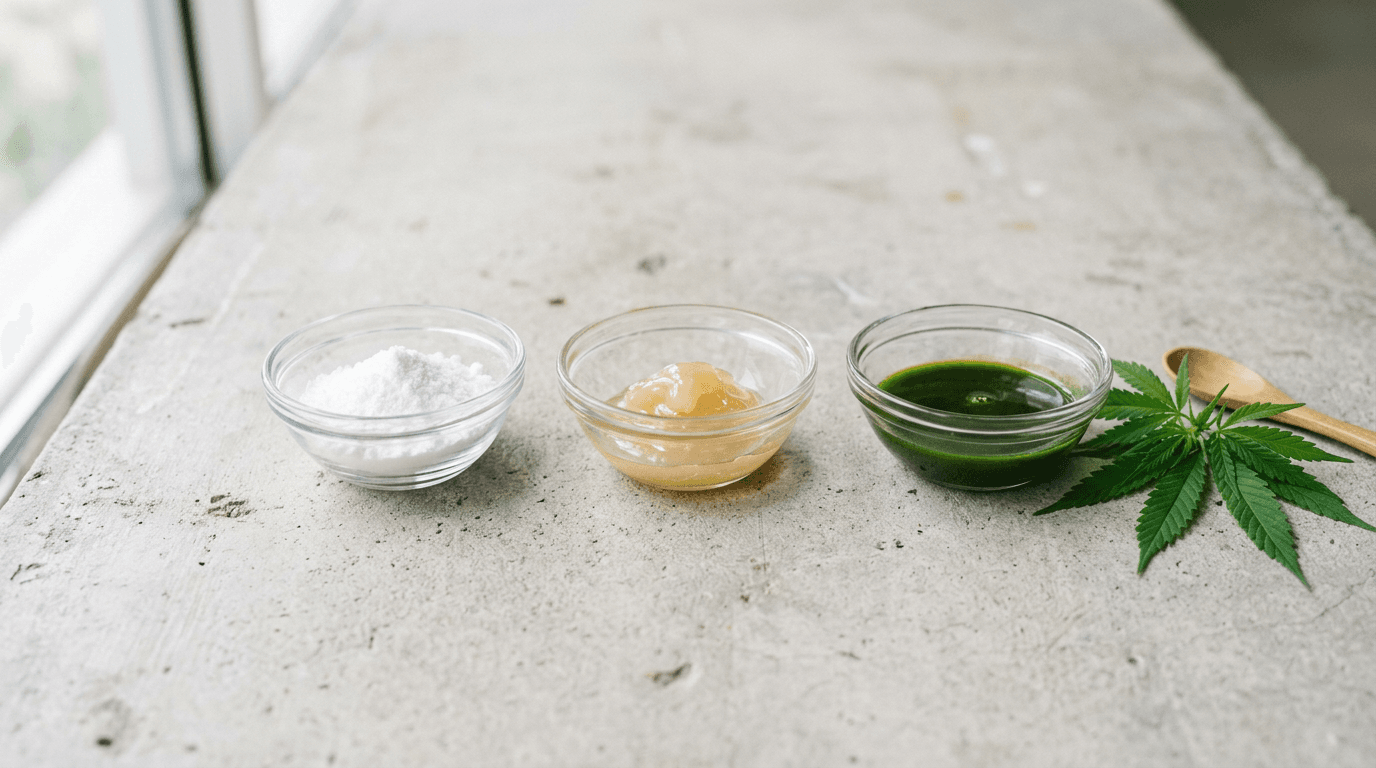
Isolate, broad spectrum, and full spectrum are not quality grades. They describe what is in an extract. Here is what each term means and how to check a claim.
Buying Guide11 min read
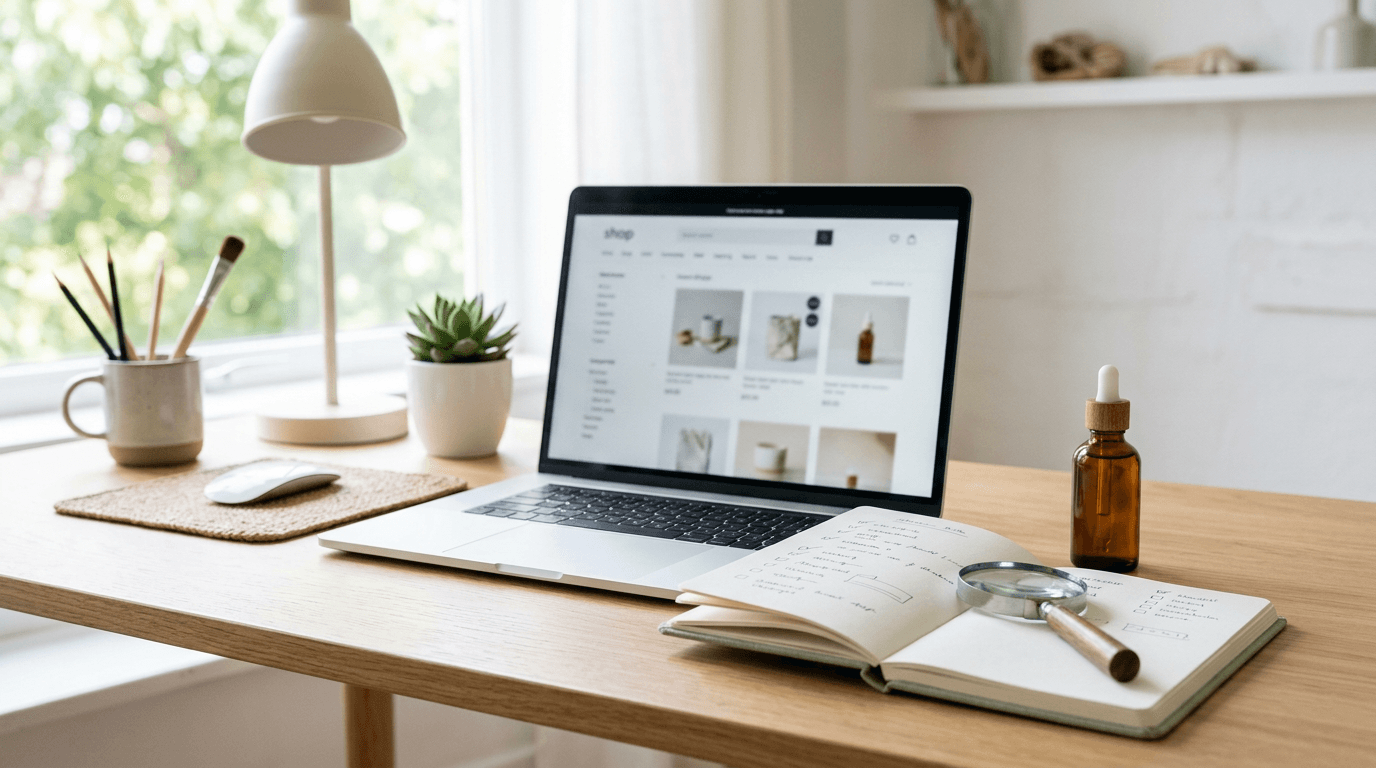
With no FDA pre-approval, quality is up to you and the seller. This checklist covers labels, lab reports, claims, reviews, shipping, and subscriptions.
CBD Basics12 min read
New to CBD? This guide explains what the word means, how products differ, how to read a label without getting tripped up by milligrams, and what to check before you buy.
You must be 21 or older to enter.
By entering you agree to our Terms of Service and Privacy Policy.

