Skip to content

Free shipping on orders over $75

Nootropics & blended products

CBD plus Nootropics, Caffeine or L‑theanine: Evidence, risks, and product comparisons (cbd nootropics interaction)

Clear, evidence-based context for people considering CBD with caffeine or L‑theanine. Reviews human trials, pharmacokinetics, safety labeling, and product comparison tips.

By the BuyLegalMeds team14 min read

A cup of coffee, a small vial of oil, and a generic capsule bottle on a wooden table beside an open notebook under soft window light.

Key takeaways

  • Some human trials support cognitive benefits from combining L‑theanine with caffeine; evidence is strongest for short-term attention and alertness.
  • CBD is pharmacokinetically active and can interact with drugs and other compounds via liver enzymes; research into CBD+caffeine interactions is limited.
  • Pharmacodynamic interactions (how substances affect the brain together) differ from pharmacokinetic interactions (how the body processes them); both matter when stacking CBD with nootropics.
  • Combined 'brain booster' products can be convenient but may complicate dose control and interaction risk compared to single-ingredient supplements.
  • Read labels and lab reports, avoid products making medical claims, and talk to a healthcare professional if you take prescription drugs.

Why this guide and who it's for

This guide reviews evidence, safety issues and practical product‑comparison points for people asking about cbd nootropics interaction — specifically CBD taken together with caffeine or with the pair caffeine + L‑theanine. If you are researching whether to combine a CBD product with your morning coffee, or whether a pre‑formulated "brain booster" capsule is worth buying instead of separate supplements, this article is written for you.

The page covers human trial evidence for L‑theanine+caffeine synergy, what we know about CBD pharmacokinetics and drug interactions, how to think about pharmacodynamic overlap, label and lab‑report checks, and a side‑by‑side look at combined products versus single‑ingredient options.

Quick primer: what are nootropics and common ingredients people stack with CBD

"Nootropic" is a broad consumer term for substances people use hoping to support cognition, attention, or mental energy. In mainstream over‑the‑counter use, common ingredients include caffeine, L‑theanine, B vitamins, certain amino acids, and botanical extracts.

Caffeine is the archetypal stimulant. L‑theanine is an amino acid found in tea that many people take together with caffeine because some controlled trials suggest the pair improves attention and subjective focus with less jitteriness compared with caffeine alone.

CBD (cannabidiol) is a hemp‑derived cannabinoid widely sold in many product formats. It is generally nonintoxicating, but it is pharmacologically active and can change how other substances behave in the body. Later sections examine the evidence and risks when CBD overlaps with nootropics.

For product format examples and liquid tincture options, see our CBD tinctures collection: /collections/cbd-tinctures

If you want to explore isolate formats that emphasize a single cannabinoid, see our activ8 CBD isolate product page: /products/activ8-cbd-isolate-powder-99-pure-500mg-1-000mg-cbd

Shop this topic

Looking for relief to start adding to your daily routine? It's time to look no further! Not only is our ACTIV8 CBD Freeze fast-acting, but…

$15Regular price $29.99each

ACTIV8 CBD Freeze Pain Relieving Gel: 250mg & 650mg CBD purchase option

Three-order minimum. Contact support to pause or cancel. Terms

Quantity
1

Our ACTIV8 CBD Tinctures are a powerful and an effective way to support your overall well-being. Simply just add a few drops of CBD to your…

$12.50Regular price $24.99each

ACTIV8 CBD Tincture: 325mg, 1,000mg, 2,500mg, 5,000mg & 10,000mg CBD purchase option

Three-order minimum. Contact support to pause or cancel. Terms

Quantity
1

Get your daily dose of CBD with our delicious Cloud N9ne Nighttime CBD Gummies! These gummies are hand-crafted with high-quality ingredient…

$80Regular price $159.99each

Cloud N9ne CBD Gummies: Nighttime - 90 Pack / 900 mg purchase option

Three-order minimum. Contact support to pause or cancel. Terms

Quantity
1

What human evidence supports L‑theanine + caffeine cognitive benefits?

The best‑reviewed human evidence available comes from randomized trials and systematic reviews that focused on short‑term cognitive outcomes after acute dosing. Multiple randomized, placebo‑controlled crossover trials show that specific acute combinations of L‑theanine and caffeine can improve attention, reaction time, and some measures of executive function in laboratory tasks. Meta‑analyses that pool those trials report consistent short‑term effects versus placebo or caffeine alone on attention and alertness. These are small, well‑controlled lab studies rather than large long‑term trials, which limits inference about lasting cognitive change.

How strong is the evidence, and for what outcomes?

  • Evidence is strongest for acute (single‑dose) effects on attention and alertness during laboratory testing. Several randomized crossover trials show improved accuracy and speed on attention tasks when L‑theanine is paired with moderate caffeine.
  • Results are more mixed for complex memory tasks and for long‑term cognitive change; most trials are short and designed to measure immediate effects in healthy adults.
  • Subjective measures (reduced jitteriness, improved calm focus) are reported in trials, but subjective outcomes can be influenced by expectations and study design.

For practical interpretation, these trials best support short‑term attentional benefits and smoother subjective stimulation when L‑theanine is combined with caffeine; they do not establish disease‑modifying or long‑term cognitive enhancement.

Practical takeaways from the L‑theanine + caffeine literature

  • Many people report that L‑theanine helps smooth caffeine's stimulatory effects. Randomized trials support measurable improvements in attention and reduced self‑reported jitter for some dosing combinations, but the effects are dose‑ and task‑dependent.
  • Evidence does not establish long‑term cognitive enhancement or disease‑modifying effects; trials focus on short‑term performance.
  • If you’re evaluating products that pair L‑theanine with caffeine, check ingredient amounts and look for transparent lab testing. For a combined product that lists cannabinoids and nootropics, confirm exact per‑serving amounts and supporting lab documentation before assuming trial‑like effects. Our Cloud N9ne Brain Booster product page is one example of how some sellers present combined formulations: /products/cloud-n9ne-brain-booster

What we know about CBD pharmacokinetics and interactions

CBD is an active compound with a reproducible pharmacokinetic profile: it’s absorbed, metabolized in the liver, and cleared through multiple pathways. Systematic reviews of cannabidiol pharmacokinetics summarize evidence from clinical studies showing that CBD exposure varies by product format, with effects from food (especially high‑fat meals) and from concurrent medications that affect liver enzymes.

Key pharmacokinetic points to know:

  • CBD is metabolized by hepatic enzymes including CYP3A4 and CYP2C19 and can inhibit or induce multiple metabolic pathways. That means CBD has the potential to alter blood levels of other drugs cleared by those enzymes, and some drugs can alter CBD levels in turn.
  • Food—particularly high‑fat meals—can markedly increase CBD exposure (higher Cmax and AUC) compared with fasting conditions. If someone takes CBD with a heavy breakfast or in a fat‑containing edible, systemic exposure can be higher than when taken on an empty stomach.
  • Clinical labeling for prescription CBD (Epidiolex) documents real drug interaction risks and medical monitoring needs in certain contexts. The U.S. Food and Drug Administration also highlights interaction potential and product quality issues for consumer CBD products.

The practical implication is that CBD is not inert: it can change how other substances are processed and how long they remain in the body. That pharmacokinetic activity is why cautious consumers and clinicians consider potential interactions when CBD is added to an existing regimen.

Pharmacodynamic and pharmacokinetic interactions: how CBD could change caffeine or L‑theanine effects

It helps to separate two concepts when thinking about combined use:

  • Pharmacodynamic interaction: how two substances’ effects on the brain or body add up or oppose each other. For example, caffeine increases arousal and alertness; L‑theanine is often associated with a calmer focus. Their combined pharmacodynamic effect may be a smoother stimulation than caffeine alone.
  • Pharmacokinetic interaction: how one substance changes the absorption, metabolism, or elimination of another. If CBD inhibits enzymes that metabolize caffeine or other coingested compounds, it could raise caffeine blood levels and prolong effects.

What does existing evidence say about CBD + caffeine specifically?

  • Direct human data on CBD+caffeine pharmacodynamic or pharmacokinetic interactions are sparse. In vitro work and regulatory reviews note the possibility that CBD could influence caffeine metabolism by acting on liver enzymes, but robust clinical trials measuring plasma caffeine levels with and without CBD are limited.
  • The FDA has explicitly called out that CBD may alter the effects of other ingredients in food products and warns that CBD may increase or prolong caffeine’s effects in some people.
  • Because caffeine’s stimulant effects are dose‑sensitive, any increase in blood caffeine could raise the chance of adverse effects such as palpitations, anxiety, or sleep disruption in susceptible individuals.

Consumer safety labeling and product stacking

When consumers combine products—whether a combined capsule that includes CBD and nootropics or separate CBD plus a caffeine/L‑theanine supplement—label transparency and independent testing matter more than marketing copy.

Checklist for safer stacking or choosing a combined product:

  • Look for a Certificate of Analysis (COA) from an independent lab showing CBD potency and absence of contaminants. A COA should report tested cannabinoids, their concentrations in the product as sold, and analytic results for heavy metals, solvents, pesticides, and microbial contamination when relevant.
  • Check for ingredient amounts in milligrams per serving. Many combined products rely on "proprietary blends" that hide the dosage of individual actives; that reduces your ability to compare to clinical trial doses or to estimate interaction risk.
  • Avoid products making medical claims such as "treats" or "cures." The FDA has taken enforcement actions against companies making illegal therapeutic claims about CBD—if a label reads like a medical claim, that is a regulatory red flag. For an illustrative product page in our catalog, consult this Cloud N9ne unflavored syrup listing, which shows how some sellers present CBD syrups: /products/cloud-n9ne-cbd-syrup-unflavored-500mg-cbd
  • Consider the format. Syrups and tinctures are dosed differently from capsules and gummies; their absorption characteristics and susceptibility to food effects can differ. For liquid formats and syrup examples check our CBD syrup collection: /collections/cbd-syrup
  • If you take prescription medications, discuss CBD use with a clinician. Medical supervision is appropriate when there is plausible interaction risk, especially for drugs with narrow therapeutic windows.

Product stacking: combined 'brain boosters' vs separate ingredients

Many shoppers face a choice: buy a combined product that includes CBD plus nootropics (a "brain booster" capsule) or purchase single‑ingredient supplements and assemble their own stack. Each approach has tradeoffs.

Advantages of combined products

  • Convenience: a single capsule reduces regimen complexity.
  • Preset ingredient ratios: manufacturers choose a formula that might match some consumer preferences, often bundling supporting nutrients (e.g., B vitamins) with cannabinoids.
  • Fewer packages to store or carry.

Disadvantages of combined products

  • Less flexibility to adjust individual ingredient doses based on tolerance or interactions.
  • Potential for proprietary blends or incomplete per‑serving labeling, which makes it hard to match doses used in clinical studies.
  • If an adverse effect occurs, it’s harder to know which ingredient is responsible.

Advantages of single‑ingredient approach

  • Greater dose control and the ability to titrate or eliminate one ingredient without changing others.
  • Easier to match doses used in relevant human trials (for example, specific L‑theanine/caffeine ratios).

Disadvantages of single‑ingredient approach

  • More products to manage and potential for accidental duplicate dosing if ingredients overlap across supplements.
  • Can be slightly less convenient for some users.

Comparing a combined 'brain booster' listing with single-ingredient options

A combined formula may list a total CBD amount per bottle without clear per‑capsule dosing for every active ingredient. When comparing a combined product to single‑ingredient options, check the label and lab reports carefully. For example, if you are comparing a combined brain booster to separate daytime gummy formats, evaluate the following:

  • Milligrams per capsule versus milligrams per gummy or per teaspoon of syrup.
  • Exact identity of "nootropics" in the blend, and whether their doses match those used in human trials (for example, common L‑theanine doses used in trials are stated numerically in the research literature).
  • Batch COA availability and whether the COA covers the finished product.

For product examples in our catalog, see a daytime gummy option and an activ8 tincture to compare formats: /products/cloud-n9ne-cbd-90-gummies-daytime and /products/activ8-cbd-tincture-325mg-1-000mg-2-500mg-5-000mg-10-000mg-cbd

How to interpret a Certificate of Analysis (COA)

A COA is a laboratory report from an independent testing facility. When you read a COA, look for these elements:

  • Product identifier and batch/lot number that matches the product and label you bought.
  • Cannabinoid profile: reported concentrations (mg per serving or mg per gram) for CBD, CBDa, THC, and other cannabinoids when present.
  • Limits of quantitation (LOQs) and detection limits—knowing these helps you interpret "non‑detect" results.
  • Contaminant panels: tests for heavy metals, residual solvents, pesticides, and microbial contaminants where appropriate.
  • A passing/failed status or notes about method validation.

If a seller provides only an overall potency claim ("500 mg per bottle") without a batch‑specific COA showing per‑serving numbers, that reduces transparency.
Practical consumer steps before combining CBD with caffeine or L‑theanine

  1. Inventory your medications. If you take prescription drugs—especially those metabolized by CYP enzymes (for example CYP3A4 or CYP2C19) or with narrow therapeutic windows—consult a healthcare provider before adding CBD. Document what you take, including OTC medicines and herbal supplements.
  1. Check product transparency. Look for batch‑specific COAs and full ingredient lists. Avoid proprietary blends that omit per‑ingredient amounts.
  1. Start low and separate. If you choose to combine, consider taking CBD and caffeine/L‑theanine at different times of day initially, and track reactions. This is a conservative, observational strategy—not formal dosing advice.
  1. Keep a short symptom diary for the first several days of stacking. Note time of intake, food eaten, perceived alertness, any palpitations, anxiety, sleep changes, or digestive symptoms.
  1. Mind food effects. Eating a high‑fat meal can increase CBD exposure; avoid making multiple large changes at once (new product + unusual meal) when you’re testing interactions.
  1. Avoid products marketed to children or with unclear labeling. The FDA has highlighted risks of CBD in foods and beverages and has issued enforcement actions in some cases.
  1. Consider product stability and storage. Gummies and syrups can be sensitive to heat; tinctures are sensitive to light. Keep products in recommended conditions and check expiration dates.
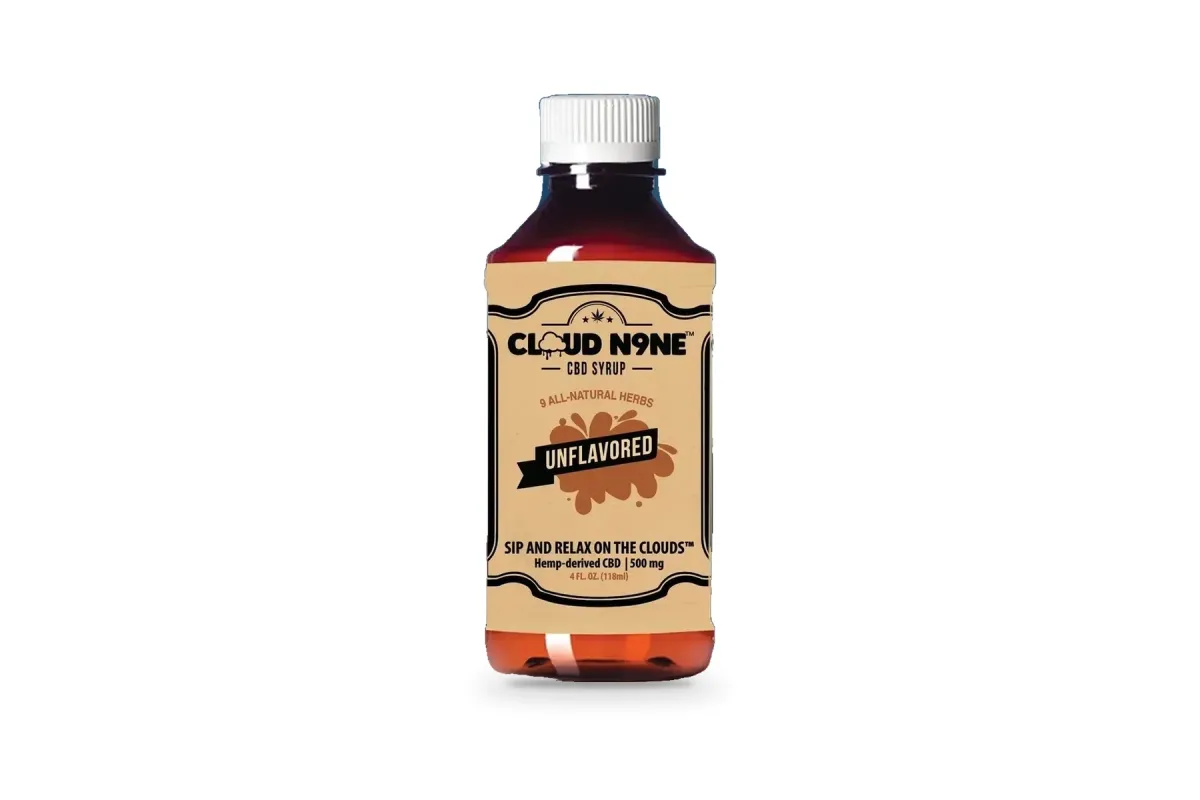
Cloud N9ne CBD Syrup Unflavored, 500mg CBD, product photo on a white background
Cloud N9ne CBD Syrup: Unflavored - 500mg CBD. Check the current product page for the exact variant and label; this image is not a laboratory report or an efficacy comparison.

Populations and special considerations

  • Older adults: age‑related changes in liver and kidney function can alter drug clearance. Older adults often take multiple medications, which raises the chance of interactions; clinical review with a clinician is prudent before adding CBD plus stimulant or sedative agents.
  • People with liver impairment: because CBD is metabolized in the liver, altered hepatic function can change exposure. If you have a known liver condition, talk with a clinician.
  • Pregnancy and breastfeeding: safety data are limited. Many clinicians advise against routine use of CBD during pregnancy or breastfeeding because of insufficient data.
  • People sensitive to stimulants: if you are particularly sensitive to caffeine’s effects (restlessness, palpitations, sleep disruption), be cautious combining CBD with caffeine until you understand how the combination affects you.

In each case, the prudent step is to consult a clinician who knows your medical history and current medications.

Product-format considerations: tincture, syrup, gummy, capsule

  • Syrups and tinctures may be absorbed differently depending on sublingual use, swallowing, and food. Syrups intended to be mixed with beverages may be taken with or without food; however, food composition (especially fat content) can influence systemic exposure.
  • Gummies are convenient and discrete but have delayed onset compared with some other forms and are subject to heat during shipping and storage that can soften or degrade the product if not handled properly.
  • Capsules provide standardized oral doses and reduce taste issues but are subject to first‑pass metabolism and may show different onset and magnitude of effect than sublingual formats.
  • Topicals and some skin products are not relevant for stacking with oral stimulants since systemic absorption is usually low; however, if a product is transdermal or claims systemic effects, treat it with the same scrutiny as oral products.

For examples of topical and skin care CBD formats, explore our CBD skin care collection: /collections/cbd-skin-care

Red flags and when to seek medical advice

  • New or worsening symptoms after combining CBD with other active substances.
  • Use of prescription drugs metabolized by liver enzymes without medical review.
  • Labels that make strong medical claims ("treats ADHD," "acts like prescription stimulants," "cures"). Such claims are not supported by the evidence base for CBD and often trigger regulatory scrutiny.
  • Missing or inconsistent COAs or reports showing contamination.

If you experience severe symptoms—chest pain, severe palpitations, pronounced drowsiness, or signs of jaundice—stop the product(s) and seek medical care. Save product labels and COAs to share with clinicians.

If you are comparing formats side‑by‑side, sample a single ingredient product first to understand its effects before trying a combined capsule. For variety of syrup formats and multi‑flavor packs, see our Cloud N9ne syrup variety pack listing: /products/cloud-n9ne-cbd-syrup-variety-pack-4-000mg-cbd

Summary and practical bottom line

  • The combination of L‑theanine and caffeine has the best human‑trial support among the pairings discussed here; short‑term benefits for attention and smoother subjective stimulation are reported in randomized trials.
  • Direct human data on CBD interacting with caffeine or L‑theanine are limited. CBD is pharmacokinetically active and can affect drug metabolism, so interaction risk is plausible.
  • Combined 'brain booster' products are convenient but less flexible. If you choose a combined product, prioritize transparency: per‑dose ingredient amounts, independent lab results, and clear labeling.
  • Talk with a healthcare provider if you take prescription drugs or have health conditions. Monitor symptoms and avoid combining products that make unverified medical claims.

If you want to compare formats or try single‑ingredient CBD options before trying a combined formula, an activ8 tincture is a widely available single‑ingredient option in our catalog: /products/activ8-cbd-tincture-325mg-1-000mg-2-500mg-5-000mg-10-000mg-cbd

Further reading and internal resources

  • Compare liquid formats and browse syrup examples in our CBD syrup collection: /collections/cbd-syrup
  • Browse Cloud N9ne and related product options in our catalog for single‑product comparisons: /products/cloud-n9ne-cbd-90-gummies-daytime
  • If you’re investigating regulatory topics, note examples of product pages and labeling in our catalog: /products/cloud-n9ne-cbd-syrup-unflavored-500mg-cbd

Notes on sources and evidence

This article draws on peer‑reviewed controlled trials summarized in systematic reviews of caffeine + L‑theanine trials and on systematic reviews of CBD pharmacokinetics and regulatory reviews by the U.S. Food and Drug Administration. Links to authoritative primary sources are available in the referenced scientific literature and agency guidance; readers should consult those sources directly for full methods and data.

Frequently asked questions

What human evidence supports L-theanine+caffeine cognitive benefits?

Randomized human trials and systematic reviews report that acute doses of L‑theanine combined with caffeine can improve attention, reaction time, and subjective measures of focused calm compared with placebo or caffeine alone. Most trials are short-term laboratory studies; evidence supports short-term attentional benefits rather than proven long-term cognitive change. See the systematic review for trial details.

Are there known interactions between CBD and common nootropics like caffeine or L-theanine?

Direct human studies of CBD specifically combined with caffeine or L‑theanine are limited. However, CBD is metabolized by liver enzymes and can alter the metabolism of other drugs and compounds, so a pharmacokinetic interaction that changes blood levels of coingested substances is plausible. The FDA has noted that CBD may increase or prolong caffeine’s effects in some people, and it warns consumers to be cautious.

Which shoppers may prefer a combined 'brain booster' product versus separate supplements?

Shoppers who value convenience and who do not take interacting prescription medications may prefer combined products, provided those products disclose per‑serving ingredient amounts and supply independent lab testing. People who require fine dose control, need to avoid interactions, or want to match doses from clinical trials usually prefer separate single-ingredient products.

How should I evaluate a combined CBD + nootropic label before buying?

Look for per‑serving milligrams for each active ingredient, a linked independent Certificate of Analysis (COA) showing cannabinoid content and absence of contaminants, and clear ingredient sourcing. Avoid products that use undisclosed proprietary blends or make unverified medical claims.

Can CBD make caffeine effects stronger or last longer?

It’s possible. Because CBD affects liver enzymes involved in drug metabolism, it might alter caffeine clearance in some people, potentially increasing or prolonging caffeine effects. Direct clinical evidence is limited, so monitor how you feel if you combine them and consult a clinician if you have concerns.

If I take prescription medications, is combining CBD with nootropics safe?

If you take prescription drugs, particularly those metabolized by CYP enzymes or with narrow therapeutic windows, consult your healthcare provider before using CBD or new supplement combinations. CBD has documented drug-interaction potential in clinical settings, and medical supervision helps manage risk.

Are there product formats that reduce interaction risk?

Product format alone (gummy, tincture, capsule) doesn’t eliminate interaction risk because interactions depend on systemic exposure and metabolism. However, formats that allow more precise dosing (e.g., measured tinctures or capsules with clear per‑serving amounts) make it easier to control and track intake.

What should I do if I notice unusual side effects after combining products?

Stop the product(s) and consult a healthcare provider, especially if symptoms are severe (chest pain, severe palpitations, pronounced drowsiness, or signs of liver dysfunction). Report adverse events to your clinician and consider saving product labels and lab reports for review.

References

  1. The Cognitive-Enhancing Outcomes of Caffeine and L-theanine (systematic review and trials) (opens in a new tab). National Institutes of Health / PMC.
  2. Pharmacokinetics of Cannabidiol: A systematic review and meta-regression analysis (opens in a new tab). PubMed / National Library of Medicine.
  3. What to Know About Products Containing Cannabis and CBD (consumer update) (opens in a new tab). U.S. Food and Drug Administration (FDA).
  4. Protect Consumers from Cannabidiol (CBD) in Foods (FDA conversation and review) (opens in a new tab). U.S. Food and Drug Administration (FDA).

These statements have not been evaluated by the Food and Drug Administration. These products are not intended to diagnose, treat, cure, or prevent any disease. This article is for general education only and is not medical advice. Talk with a qualified healthcare professional before using any new product, especially if you are pregnant, nursing, or take medication.

Related formats and convenience options

Shop all products

Get your daily dose of CBD with our delicious Cloud N9ne Dayttime CBD Gummies! These gummies are hand-crafted with high-quality ingredients…

$20Regular price $39.99each

Cloud N9ne CBD Gummies: Daytime - 20 Pack / 200 mg purchase option

Three-order minimum. Contact support to pause or cancel. Terms

Quantity
1

Looking for a natural way to relax and unwind after a long day? Look no further than unflavored-flavored Cloud N9ne CBD Syrup! Our unique b…

$15Regular price $29.99each

Cloud N9ne CBD Syrup: Unflavored - 500mg CBD purchase option

Three-order minimum. Contact support to pause or cancel. Terms

Quantity
1

Get your daily dose of CBD with our delicious Cloud N9ne Sour Daytime CBD Gummies! These gummies are hand-crafted with high-quality ingredi…

$80Regular price $159.99each

Cloud N9ne CBD Gummies: Daytime - 90 Pack / 900 mg purchase option

Three-order minimum. Contact support to pause or cancel. Terms

Quantity
1

Keep reading

All guides