Skip to content

Free shipping on orders over $75

Product Care & Quality

How to store CBD products and spot potency loss: CBD storage and shelf life

Learn how temperature, light, oxygen and product matrix affect CBD stability, how long common products typically last, and when to request batch lab reports.

By the BuyLegalMeds team13 min read
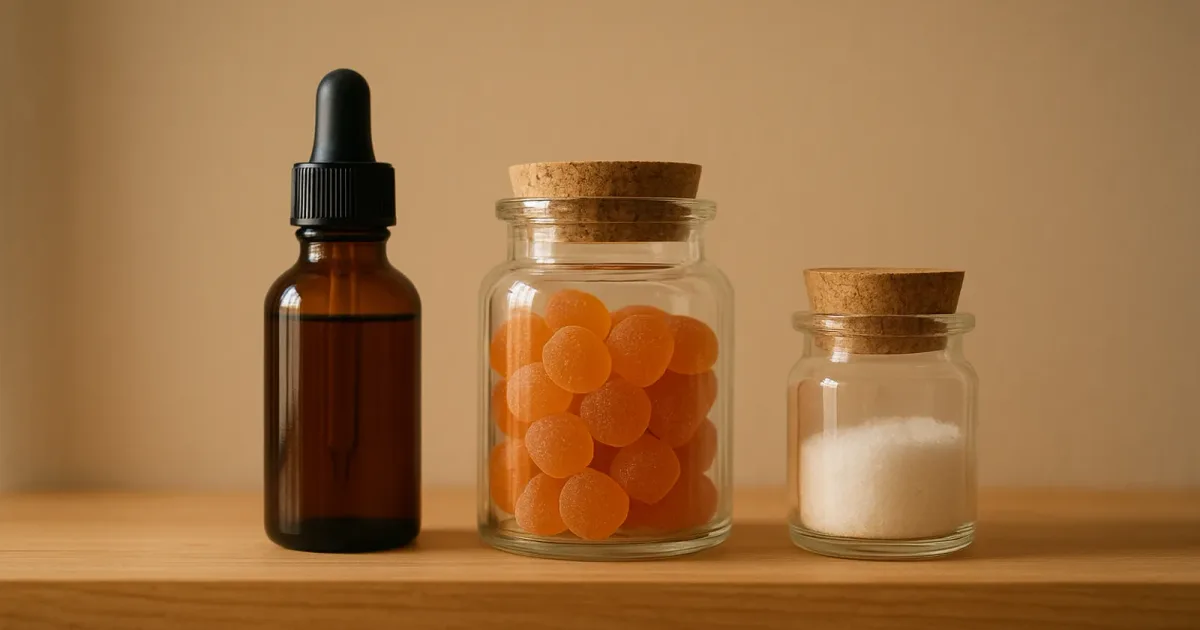
Amber glass CBD tincture bottle, sealed gummy jar, and white CBD isolate powder on a wooden shelf.

Key takeaways

  • Temperature, light and oxygen are the main drivers of cannabinoid degradation; store products cool, dark and sealed where possible.
  • Product matrix matters: oil-based tinctures behave differently than powdered isolates or gummy edibles for stability reasons.
  • Packaging and lab reports (COAs) can reveal stability risks—look for inert packaging, limited headspace, and recent batch testing.
  • Signs of potency loss include unexpected odor, color shifts, sediment changes or a weaker effect than the label suggests—ask for a batch COA if concerned.
  • Stability testing in the literature shows CBD degrades over time but the rate depends on formulation and storage; many products retain most potency for months under good storage.

Quick overview: why CBD storage and shelf life matter

When you buy a CBD product you expect the label—milligrams per serving or per bottle—to match what’s actually inside over time. The phrase cbd storage and shelf life covers two linked ideas: how you store a product to protect its cannabinoid content, and how long a product maintains the potency the label claims. Understanding both helps shoppers preserve value and spot red flags that suggest a product may no longer meet its label claims.

This article summarizes what peer-reviewed research and stability studies say about CBD stability, explains how different product matrices (oils, isolates, gummies, syrups, topicals) behave, reviews packaging and lab-report signals to watch, and gives practical, low-risk storage tips you can use at home. We avoid medical claims and dosing guidance; instead we focus on preservation, quality signals and when to ask for batch test results.

What drives cannabinoid degradation: temperature, light and oxygen

Cannabinoids are organic molecules that are vulnerable to chemical changes. Three environmental factors consistently accelerate cannabinoid breakdown across studies:

  • Temperature. Higher storage temperatures speed up chemical reactions, including oxidation and isomerization. Even modest increases in temperature can shorten shelf life compared with cool storage.
  • Light. Ultraviolet (UV) and visible light can trigger photochemical reactions that change cannabinoid structure or create breakdown products.
  • Oxygen (oxidation). Exposure to air allows oxidative reactions that convert cannabinoids into other compounds. Minimizing headspace and using inert atmospheres during packaging reduce this risk.

The 2026 review in Cannabis Cannabinoid Research examined cannabinoids in plant material, extracts, oils and isolates under varied storage conditions and found consistent patterns: warm, well-lit and oxygen-rich environments accelerate decline, while cool, dark and sealed storage helps preserve content. That makes storage method as important as initial product quality.

How these factors interact

Temperature, light and oxygen don’t act in isolation. For example, warm storage often accelerates oxidation, and light exposure can both heat a container and directly trigger photochemical breakdown. Packaging that limits oxygen and light exposure helps slow multiple degradation pathways at once.

Shop this topic

If you're looking for a quick and easy way to get your daily dose of CBD, look no further than our ACTIV8 CBD Syringe! This innovative prod…

$17.50Regular price $34.99each

ACTIV8 CBD Syringe: 650mg CBD purchase option

Three-order minimum. Contact support to pause or cancel. Terms

Quantity
1

Looking for relief to start adding to your daily routine? It's time to look no further! Not only is our ACTIV8 CBD Freeze fast-acting, but…

$15Regular price $29.99each

ACTIV8 CBD Freeze Pain Relieving Gel: 250mg & 650mg CBD purchase option

Three-order minimum. Contact support to pause or cancel. Terms

Quantity
1

Our CBD Pet Drops are a natural, safe, and effective way to support your furry friend's overall well-being. Made with high-quality CBD oil…

$12.50Regular price $24.99each

ACTIV8 CBD Pet Drops: 325mg & 1,000mg CBD purchase option

Three-order minimum. Contact support to pause or cancel. Terms

Quantity
1

How product matrix affects stability: oil vs powder vs gummies vs syrups

The “matrix” or formulation—whether CBD is dissolved in oil, bound into a gummy, suspended in syrup, or present as a crystalline isolate—has a large effect on stability. Three stability-focused studies illustrate these differences.

  • A 2021 Pharmaceutics stability study compared cannabidiol in solid powder and in sunflower oil solution. It found that the powder form was generally more stable than solution, with oil solutions showing faster decline under stress conditions (heat, light) (Pharmaceutics 2021).
  • A 2020 J Chromatogr B paper examined CBD stability for pharmaceutical and biochemical studies and reported that free CBD in solution is more prone to oxidation and light-related changes than when protected by antioxidants, opaque packaging or lower temperatures.
  • The 2026 review aggregated multiple stability experiments and stressed that excipients (the non-active ingredients) in finished products—such as sugars, gelatin, emulsifiers or flavors used in gummies and syrups—can influence water activity, pH and oxygen diffusion, all of which affect CBD stability.

These findings translate into practical differences:

  • Isolates (crystalline CBD powders) can be among the most stable forms when kept dry, cool and out of light. They lack solvents that accelerate degradation.
  • Oil-based tinctures and syrups contain solvents and lipids that can carry dissolved CBD but can also facilitate oxidation and hydrolysis if exposed to air, heat or light.
  • Gummies and edibles introduce water, sugars and other components that change the product’s microenvironment and can affect both cannabinoid chemistry and microbial or mold risk if improperly stored. Overall, properly formulated gummies can hold potency for months but are more complex than a sealed dry powder.

Do gummies and isolates degrade differently over time?

Yes. Dry crystalline isolates generally show slower chemical degradation provided they remain dry and protected from light and heat. Gummies contain water-equivalent components—gelatin, pectin, sugars—and are often packaged to limit oxygen and moisture exchange. Over time gummies may harden, stick together or show color/odor changes; those physical changes can reflect formulation or storage issues rather than cannabinoid chemistry per se, but they can accompany potency loss if oxidative conditions are present.

Because gummy formulations vary widely, some manufacturers include antioxidants or oxygen scavengers to protect cannabinoids. When comparing products, look for packaging and lab reports that show recent potency testing of the final gummy lot rather than only raw extract testing.

Packaging, labeling and lab-report signals that affect stability

Packaging choices make a measurable difference in how well a product resists degradation. Simple features to watch for on labels and in product photos include:

  • Opaque or amber glass containers for oils and tinctures: glass minimizes oxygen permeability compared with some plastics, and amber glass blocks light that can catalyze photodegradation.
  • Tight closures and minimal headspace: less air in the bottle reduces oxidation risk. Syringes or dropper systems that limit backflow are preferable to open-mouth jars for oil products.
  • Inert atmospheres or nitrogen flushing noted on the label or COA: some manufacturers package under nitrogen to reduce oxygen exposure. That’s a positive sign for long-term stability.
  • Use of antioxidants or stabilizing excipients listed in the ingredient panel: tocopherols (vitamin E) and similar antioxidants are commonly used to slow oxidation in oil-based formulations.
  • Date coding, lot numbers and shelf-life information: look for manufacture dates, expiration or best-by dates, and a clear lot number you can match to a certificate of analysis (COA).

What packaging or lab-report signals suggest poor stability?

Watch for these red flags that may indicate a higher risk of potency loss:
  • Clear plastic bottles sitting in bright environments: many plastics are oxygen-permeable and clear containers admit light.
  • Large headspace in the bottle or no mention of nitrogen flushing: more air equals more oxidation potential.
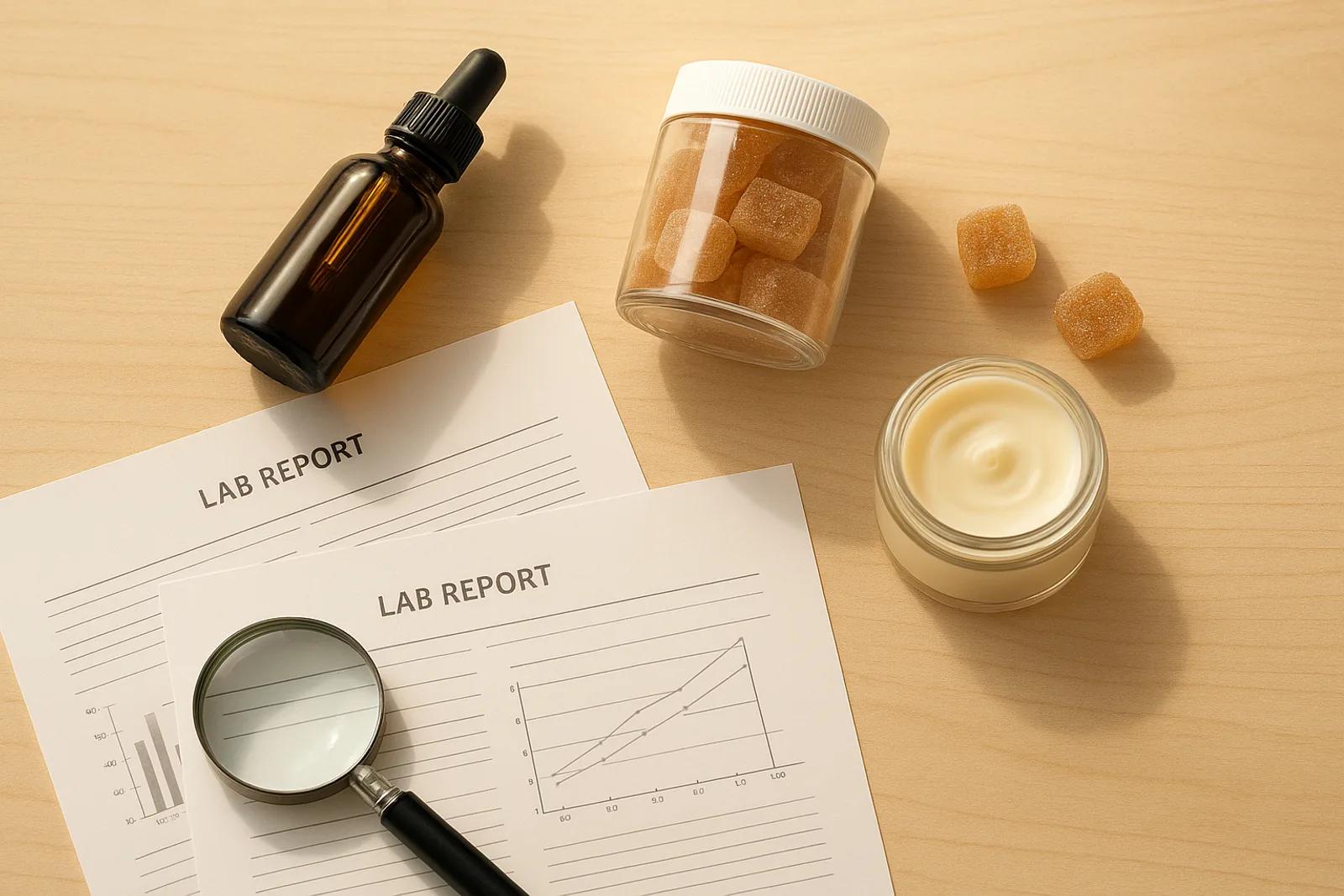
  • Lack of lot-specific COAs or COAs dated long before the product’s manufacture date: a COA should match the product lot and be recent. If a COA only covers the raw extract and not the finished product, it doesn’t tell you about post-formulation stability.
  • Missing date codes or ambiguous labeling: if you can’t tell how old a product is, you can’t estimate remaining shelf life.
  • Ingredient panels that include moisture-attracting components but the product lacks humidity controls in packaging: gummies and syrups are especially sensitive to water activity.
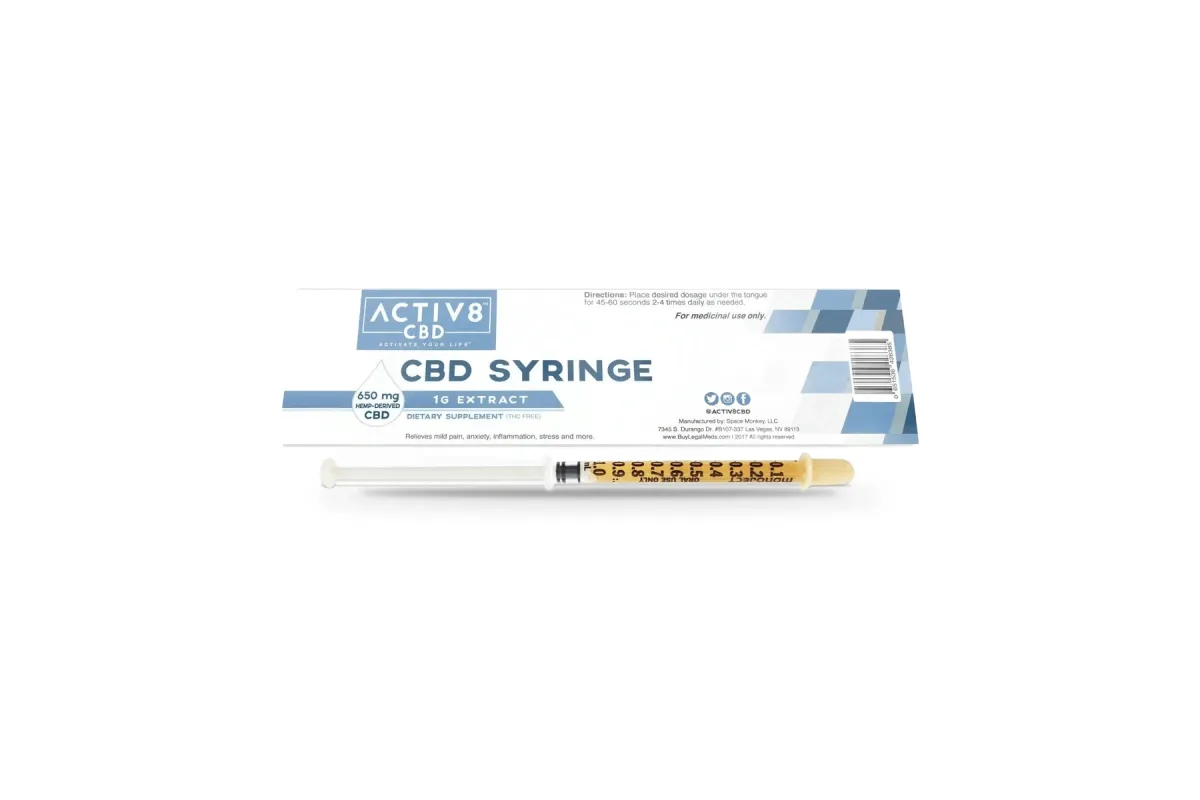
ACTIV8 CBD Syringe 650mg CBD, product photo on a white background
ACTIV8 CBD Syringe: 650mg CBD. Check the current product page for the exact variant and label; this image is not a laboratory report or an efficacy comparison.

For more on interpreting lab reports, see our collections hub: Collections hub.

Accelerated stability testing and what it tells shoppers

Manufacturers run stability tests to estimate shelf life. Two common approaches are real-time stability testing (store product under normal conditions for months or years) and accelerated stability testing (store product under elevated temperatures, humidity or light to speed reactions). The 2026 review and earlier studies describe how accelerated testing can predict long-term behavior by applying known chemical kinetics.

Accelerated testing gives useful comparative information—but it’s not a perfect substitute for real-time data. A product that survives accelerated conditions reasonably well is more likely to be stable on the shelf, while products that fail accelerated tests should prompt caution. When available, the best evidence is a lot-specific COA that includes stability testing of the finished product or shelf-life data produced by the manufacturer.

Signs of potency loss and sensory red flags

You don’t always need a lab to notice potential problems. While only lab testing confirms potency, sensory signs can prompt follow-up questions or requests for a COA.

Common red flags

  • Off, stale or chemically different odor compared with unopened product notes.
  • Noticeable color shifts (for example, an oil turning noticeably darker than when new) without an obvious reason.
  • Unexpected sedimentation, cloudiness or separation in products that normally appear uniform.
  • Gummies that show abnormal stickiness, mold, or major texture changes that suggest moisture exposure.
  • A consistent, measurable drop in perceived effect relative to what the label suggests (remembering that perceived effect is subjective and not a direct measure of mg content).

When you see one or more of these signs, ask the seller for the batch COA and the product’s manufacture date. If COAs show recent testing of the finished product and potency is within spec, the issue may be cosmetic or formulation-related rather than true potency loss. But if no lot COA exists or if the COA is old or only for raw extract, be cautious.

How long do common CBD products last? Typical shelf-life expectations

Shelf life depends on formulation, packaging and storage. The following are general expectations based on published stability work and formulation principles—not guarantees.

  • CBD isolates (dry crystalline powders): often the most stable when kept dry, cool and dark; many isolates remain within potency specs for a year or longer under good storage.
  • Oil tinctures: commonly have labeled shelf lives of 12–24 months if packaged in amber glass and stored cool and dark. Oxidation can shorten this if stored open or in plastic.
  • Gummies and edibles: many manufacturers state 6–18 months depending on preservative use, water activity and packaging. Humidity and temperature fluctuations can accelerate changes.
  • Syrups and liquid formulations: syrups with water content often have shorter shelf lives and may require refrigeration after opening; sealed sugar-based syrups in oxygen-minimizing packaging can be longer-lived.
  • Topicals and balms: as with oils, these often list 12–24 months but ingredients like botanicals or probiotics (rare) can complicate stability.

These ranges align with the stability patterns reported in the 2020 and 2021 studies, which show more rapid decline in solution and better retention in dry forms when stored properly.

How should I store CBD tinctures and syrups?

Practical steps to maximize stability for tinctures and syrup products:

  • Keep cool: store in a cool cabinet away from stovetops, sunny windows, or other heat sources. For many products, a consistent room temperature below 25°C (77°F) is reasonable; refrigeration may be appropriate for some syrups after opening if the manufacturer recommends it.
  • Keep dark: use opaque or amber containers and store them in a dark place to reduce light-driven degradation.
  • Minimize oxygen exposure: close droppers and caps tightly after each use and, when possible, use packaging designs that limit backflow and headspace. If you transfer product to a smaller vessel, use a container that minimizes trapped air.
  • Follow label directions: manufacturers may include storage directions (for example, “refrigerate after opening”) specific to their formulation—follow those recommendations.
  • Check lot and COA: if you have concerns about potency loss, request the finished-product COA for your lot and compare the date of testing to the product’s manufacture date.

For more on tinctures and packaging options, browse our tinctures collection: Tinctures collection.

Shop this topic

Get your daily dose of CBD with our delicious Cloud N9ne Dayttime CBD Gummies! These gummies are hand-crafted with high-quality ingredients…

$20Regular price $39.99each

Cloud N9ne CBD Gummies: Daytime - 20 Pack / 200 mg purchase option

Three-order minimum. Contact support to pause or cancel. Terms

Quantity
1

Have you been looking for a high-concentration CBD product that you can easily mix into your favorite foods and beverages, but are unable t…

$12.50Regular price $24.99each

ACTIV8 CBD Pure Isolate Powder: 500mg & 1,000mg CBD purchase option

Three-order minimum. Contact support to pause or cancel. Terms

Quantity
1

Practical storage checklist by product type

Isolate powder

  • Store in an airtight container in a cool, dry place. Avoid humidity.
  • Keep it in opaque packaging or a dark cabinet to limit light exposure.
  • If kept sealed and dry, isolates are often the most shelf-stable.

Oil-based tinctures and syrups

  • Prefer amber glass and tight droppers/syringes.
  • Store cool and dark; minimize headspace after opening.
  • Consider transferring to a smaller bottle as you consume to reduce trapped air, but only use inert, food-safe containers.

Gummies and edibles

  • Keep in original sealed packaging until use; many packs include oxygen absorbers or barrier seals.
  • Store at the temperature indicated by the manufacturer; some gummies store better refrigerated, others at room temp.
  • Avoid humidity and heat spikes that can cause texture and possible stability issues.

Topicals and balms

  • Keep lids tightly closed; store away from high heat to avoid separating oils from the base.
  • For creams with water content, follow any refrigeration or “use by” notes if provided. See our skin-care collection for topical options: Skin-care collection.

Vape liquids and inhalables

  • Store in sealed opaque bottles; avoid leaving them in hot cars or direct sunlight.
  • Note that vape products may have additional stability considerations related to carrier solvents and flavoring agents.

When should shoppers question a product’s potency or ask for batch COAs?

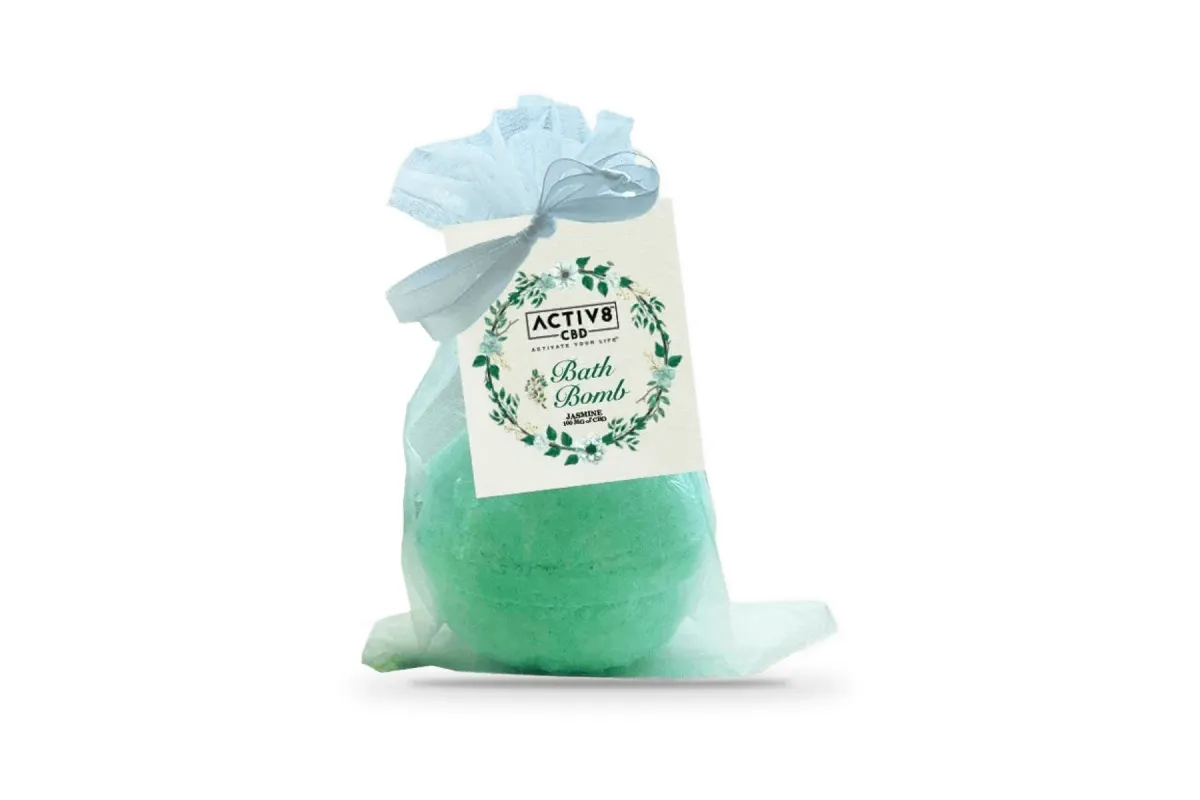
ACTIV8 CBD Bath Bomb Jasmine, 100mg CBD, product photo on a white background
ACTIV8 CBD Bath Bomb: Jasmine - 100mg CBD. Check the current product page for the exact variant and label; this image is not a laboratory report or an efficacy comparison.

Ask for a batch certificate of analysis (COA) when any of these apply:

  • The product lacks lot numbers, manufacture dates, or expiration/best-by dates on the label.
  • You notice sensory changes (odor, color, texture) that differ from how the product looked when new.
  • The seller provides COAs only for raw extract or for a different lot, rather than the finished product you purchased.
  • You buy a product that appears old (long time since manufacture) or the seller cannot confirm storage conditions since manufacture.
  • You experience a clear and persistent reduction in perceived effect across multiple uses and batches (subjective but worth following up).

A lot-specific COA should show potency for the finished product and ideally include results for residual solvents, heavy metals and pesticides. If a COA is missing or incomplete, ask the seller to provide testing documentation before you continue using the product.

Storage mistakes that commonly reduce stability

  • Leaving products in direct sunlight or on a windowsill where temperature cycles are large.
  • Using clear plastic containers for long-term storage of oils.
  • Frequently transferring product between containers that introduce air and contamination.
  • Keeping opened syrup or gummy packages in the pantry without re-sealing or using desiccants when humidity is high.
  • Relying solely on a manufacturer’s claim of stability without lot-specific COAs or a recent manufacture date.

Shelf-life extension tactics used by manufacturers

Manufacturers use several strategies to improve stability and extend shelf life. These are useful to know when choosing products:

  • Antioxidants: tocopherols and other antioxidants are often included in oil formulations to slow oxidation.
  • Nitrogen flushing: replacing air with inert gas in the headspace at packaging reduces oxygen exposure.
  • Opaque or amber glass: limits light exposure compared with clear plastics.
  • Low-moisture formulations: reducing water activity in gummies and powders reduces hydrolytic and microbial risks.
  • Sealed blister packs or oxygen-absorbing sachets for edibles: these control humidity and oxygen at the unit dose level.

When these tactics are disclosed on labels or in COAs, they increase confidence in a product’s stability profile.

Realistic expectations and when to replace a product

Even under ideal storage, all products age. If a product is beyond its labeled best-by date, shows multiple red flags, or the seller cannot provide a matching, recent COA, it’s reasonable to replace it.

If a product is within date but has mild sensory changes, contacting the seller and requesting lot-specific potency testing is a practical step. Reputable sellers should be able to provide COAs or explain storage and packaging choices that address your concerns.

Explore tinctures, syrups and isolates in our collections for packaging and formulation comparisons. For information on isolate vs full/broad spectrum formulations see our ACTIV8 pure isolate product page: ACTIV8 CBD Pure Isolate Powder.

  • If you prefer edibles and brand-specific packaging strategies, browse the Cloud N9NE collection: Cloud N9NE collection.
  • For topical formats and balms, view the skin-care collection referenced above.

Shop this topic

Our ACTIV8 CBD Tinctures are a powerful and an effective way to support your overall well-being. Simply just add a few drops of CBD to your…

$12.50Regular price $24.99each

ACTIV8 CBD Tincture: 325mg, 1,000mg, 2,500mg, 5,000mg & 10,000mg CBD purchase option

Three-order minimum. Contact support to pause or cancel. Terms

Quantity
1

Get your daily dose of CBD with our delicious Cloud N9ne Nighttime CBD Gummies! These gummies are hand-crafted with high-quality ingredient…

$80Regular price $159.99each

Cloud N9ne CBD Gummies: Nighttime - 90 Pack / 900 mg purchase option

Three-order minimum. Contact support to pause or cancel. Terms

Quantity
1

Troubleshooting: what to do if you suspect potency loss

  1. Record the lot number and take photos of the product and label.
  1. Compare the product to an unopened unit of the same lot if available.
  1. Contact the seller and request the lot-specific COA for the finished product. Ask whether the product was nitrogen-flushed and what storage conditions were used after manufacture.
  1. If the seller cannot provide a COA or the COA shows out-of-spec potency, request a refund or replacement.
  1. Store remaining product in a cool, dark place with the cap closed and minimal headspace until you receive guidance.

If you’re uncertain about interactions with medications or other health concerns, talk to a healthcare professional before using or replacing products.

Closing notes: balance expectations with evidence

Research shows CBD degrades under heat, light and oxygen; the rate depends on the formulation and packaging. Studies in peer-reviewed journals demonstrate meaningful differences between isolates, oils and solutions, and manufacturers can use packaging and antioxidants to slow degradation. When shopping, prioritize products with clear lot coding, recent COAs for the finished product, and packaging designed to limit light and oxygen exposure.

For more on choosing quality products and understanding labels, browse our collections and product pages to compare packaging and testing practices.

  • Learn more about lab reports and COAs by checking product listings and batch documentation in the collections hub.
  • If you’re comparing isolates and full/broad-spectrum products, refer to the ACTIV8 isolate product page above for a crystalline isolate example.

Frequently asked questions

What environmental factors accelerate CBD degradation?

Temperature, light (especially UV and strong visible light), and oxygen exposure are the most important factors. Heat speeds chemical reactions, light can trigger photochemical breakdown, and oxygen promotes oxidative changes. Humidity and pH in formulations like syrups and gummies can also influence degradation pathways.

How do oils, isolates, and gummies differ in shelf stability?

Isolates (dry crystalline CBD) are generally the most stable when kept dry and protected from light and heat. Oil-based tinctures and syrups dissolve CBD and can be more vulnerable to oxidation, especially if stored in clear or oxygen-permeable containers. Gummies introduce water-equivalent components and excipients that change water activity and can affect stability; well-formulated gummies with proper packaging can still remain potent for many months.

When should shoppers question a product’s potency or ask for batch COAs?

Ask for a lot-specific COA when a product lacks clear lot numbers or manufacture dates, shows sensory changes (odor, color, texture), or when the seller only provides COAs for raw extract rather than the finished product. If a product is old or the seller cannot confirm post-manufacture storage, request COAs and recent potency testing.

How should I store CBD tinctures and syrups?

Store tinctures and syrups cool and dark, ideally in amber glass with the cap tightly closed. Minimize headspace after opening, follow manufacturer label instructions, and refrigerate syrups after opening if recommended. Avoid heat sources and direct sunlight.

Do gummies and isolates degrade differently over time?

Yes. Isolates tend to degrade more slowly under dry, dark, cool storage. Gummies’ stability depends on water activity, preservative use, and packaging; they are more formulation-dependent but can still retain potency if stored per the manufacturer’s guidance.

What packaging or lab-report signals suggest poor stability?

Red flags include clear plastic packaging in bright environments, large headspace, lack of lot-specific COAs for the finished product, missing date codes or ambiguous labels, and no mention of oxygen-scavenging or nitrogen flushing. COAs should match the lot and be recent to be meaningful.

References

  1. Stability of Cannabinoids in Cannabis (opens in a new tab). Cannabis and Cannabinoid Research (2026) — PubMed.
  2. Stability characteristics of cannabidiol (opens in a new tab). Journal of Chromatography B (2020) — PubMed.
  3. Stability Study of Cannabidiol in Solid Powder and Sunflower Oil Solution (opens in a new tab). Pharmaceutics (2021) — PMC.

These statements have not been evaluated by the Food and Drug Administration. These products are not intended to diagnose, treat, cure, or prevent any disease. This article is for general education only and is not medical advice. Talk with a qualified healthcare professional before using any new product, especially if you are pregnant, nursing, or take medication.

Related picks for storage-conscious shoppers

Shop all products

If you're looking for a quick and easy way to get your daily dose of CBD, look no further than our ACTIV8 CBD Syringe! This innovative prod…

$17.50Regular price $34.99each

ACTIV8 CBD Syringe: 650mg CBD purchase option

Three-order minimum. Contact support to pause or cancel. Terms

Quantity
1

Are you looking to elevate your bath time routine to a new level of relaxation and rejuvenation? Look no further! Our CBD bath bombs are th…

$10Regular price $19.99each

ACTIV8 CBD Bath Bomb: Jasmine - 100mg CBD purchase option

Three-order minimum. Contact support to pause or cancel. Terms

Quantity
1

Looking for a natural way to relax and unwind after a long day? Look no further than unflavored-flavored Cloud N9ne CBD Syrup! Our unique b…

$15Regular price $29.99each
Cloud N9ne CBD Syrup: Unflavored - 500mg CBD purchase option

Three-order minimum. Contact support to pause or cancel. Terms

Quantity
1

Keep reading

All guides