
Get your daily dose of CBD with our delicious Cloud N9ne Nighttime CBD Gummies! These gummies are hand-crafted with high-quality ingredient…
$80Regular price $159.99each
Quantity
1
Free shipping on orders over $75

Evidence-aware guidance on cbd for dogs safety, label reading, and how to discuss pet CBD drops with your veterinarian.
By the BuyLegalMeds team17 min read
Introduction
CBD for dogs safety is a common search for pet owners weighing whether to try hemp-derived cannabidiol (CBD) products for a dog. This article compiles the best available clinical evidence, explains federal regulation and labeling issues, describes safety signals and lab tests that matter, and offers practical questions to ask your veterinarian before trying a pet product like pet CBD drops.
Why this guide matters
Interest in pet CBD has grown quickly. Many pet owners want options they can give at home, and a small body of randomized clinical trials has examined CBD in dogs for conditions such as osteoarthritis and epilepsy. At the same time, federal regulation, product quality, and animal safety signals remain areas of uncertainty. This guide aims to summarize the evidence, explain what to look for on labels and COAs (Certificates of Analysis), and give clear steps for talking with your veterinary team.
The best single synthesis is a systematic review of randomized clinical trials in animals. That review identified a small number of randomized trials—mostly in dogs—with mixed but sometimes promising results. The trials focused on a few specific conditions and used oral CBD preparations rather than untested formulations.
Several randomized, placebo-controlled trials examined oral CBD in dogs with osteoarthritis. In the systematic review, multiple trials reported reductions in pain scores and increases in activity in some animals given CBD versus placebo. These trials typically used specific CBD oil formulations administered for a few weeks and relied on validated pain/activity questionnaires or veterinarian assessments.
What this means for owners: the evidence for osteoarthritis is among the strongest within veterinary CBD research, but the number of animals studied is small and methods varied. Some dogs in trials improved, while others did not, and trial authors urged cautious interpretation because of heterogeneity and risk of bias across studies.
The review captured a single randomized trial in dogs with epilepsy and one trial for behavioral disorders. Results were limited: there was some signal for reduced seizure frequency in one small trial and some behavioral changes reported in another, but the evidence base is not robust.
Across the randomized studies, oral CBD was generally well tolerated with mostly mild adverse effects reported in dogs. Trial authors described side effects like transient gastrointestinal signs or increased sleepiness in some animals. Because trial durations were short (weeks) and sample sizes small, rare or long-term risks could be missed.
Summary of the evidence base
(Primary source: systematic review of randomized clinical trials: Lima et al., Anim Health Res Rev. 2022.)
When people ask "is CBD safe for dogs with osteoarthritis?" it’s important to separate early clinical signals from definitive safety conclusions. The available trials reported relatively mild and transient adverse events, but other safety considerations are important in practice.
Trials generally reported that CBD was tolerated, but monitoring remains essential because trial populations and treatment durations were limited.
Some clinical CBD products and prescription CBD (in humans) have been associated with changes in laboratory tests, and veterinarians may consider baseline and follow-up bloodwork when animals start an investigational product. Tests owners commonly discuss with vets include:
CBD can affect metabolic enzymes in the liver that handle other drugs (for example, cytochrome P450 pathways). That raises the possibility of interactions with medications commonly used in veterinary practice. Because interactions depend on the drug and the dose, discuss any concurrent prescriptions—especially drugs with narrow safety margins—with your veterinarian.
Pets with pre-existing liver disease, young animals, or animals on multiple medications may need extra caution and closer monitoring.
Hemp-derived products are often described as low-THC, but THC (delta-9-tetrahydrocannabinol) is the intoxicating component of cannabis and can cause clear clinical toxicity in dogs. Signs of THC intoxication include ataxia (staggering), lethargy, disorientation, urinary incontinence, tremors, and vomiting. Severe cases are rare but require veterinary attention.
Two practical points:
(For clinical signs and guidance on THC toxicosis, veterinary toxicology references such as Merck Veterinary Manual and veterinary hospital guidance describe typical presentations and supportive care.)
Shop this topic
Get your daily dose of CBD with our delicious Cloud N9ne Nighttime CBD Gummies! These gummies are hand-crafted with high-quality ingredient…
$80Regular price $159.99each
Looking for a natural way to relax and unwind after a long day? Look no further than grape-flavored Cloud N9ne CBD Syrup! Our unique blend…
$15Regular price $29.99each
Get your daily dose of CBD with our delicious Cloud N9ne Nighttime CBD Gummies! These gummies are hand-crafted with high-quality ingredient…
$20Regular price $39.99each
The U.S. Food and Drug Administration (FDA) treats cannabis-derived compounds — including CBD — as it treats other regulated substances. Important points from the FDA’s public guidance:
Implication for pet owners: products labeled for pets may be widely available online, but they are not FDA-approved animal drugs. That means these products have not been reviewed by FDA for safety, efficacy, or manufacturing quality in animals. Owners and veterinarians must rely on the limited published trials, product quality documentation (COAs), and clinical judgment.
(Primary source: FDA Q&A on regulation of cannabis and cannabis-derived products, including CBD.)
A critical part of assessing cbd for dogs safety is checking product labeling and lab certificates. Many problems reported in the consumer CBD market relate to mislabeled cannabinoid content or contamination with pesticides, solvents, or heavy metals. Here’s a practical checklist:
Where to learn more about lab reports
If you want a step-by-step primer on reading COAs, see our guide how to read CBD lab reports. That page explains how to interpret units, what test panels are important, and how to confirm a COA matches the batch number.
Shop this topic
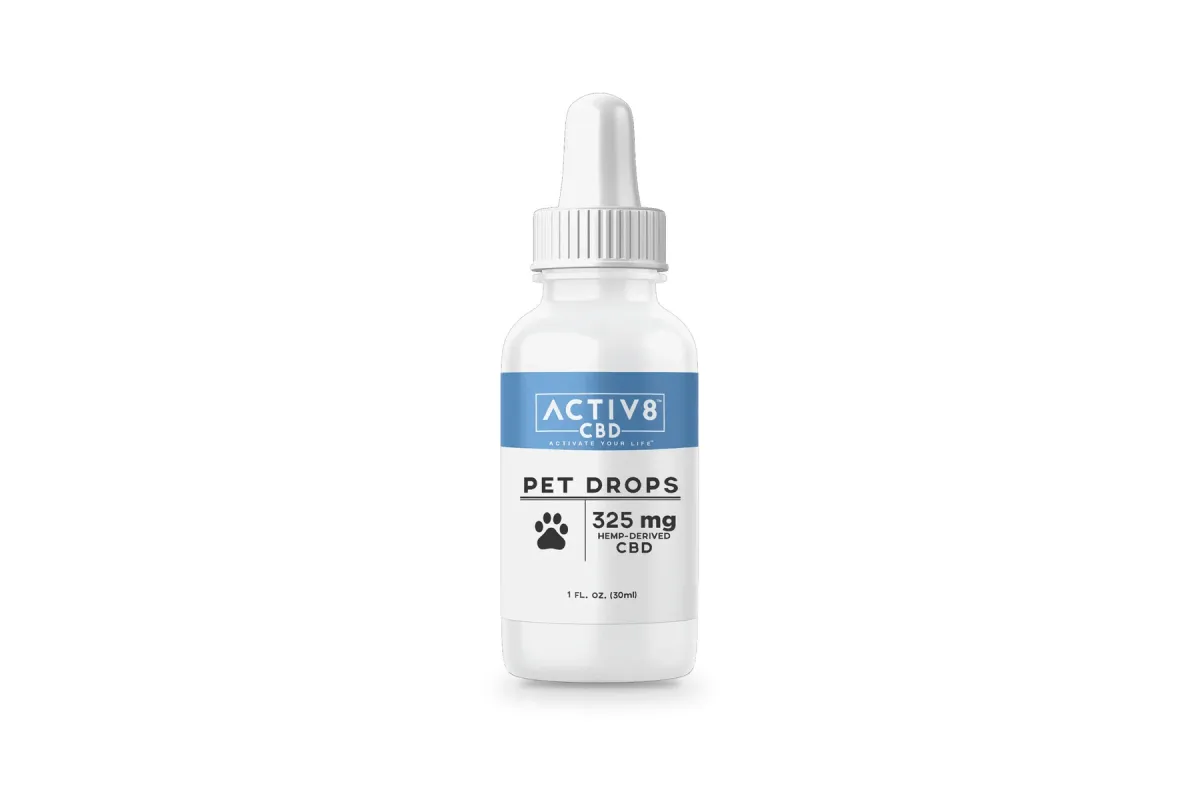
Our CBD Pet Drops are a natural, safe, and effective way to support your furry friend's overall well-being. Made with high-quality CBD oil…
$12.50Regular price $24.99each
Our ACTIV8 CBD Tinctures are a powerful and an effective way to support your overall well-being. Simply just add a few drops of CBD to your…
$12.50Regular price $24.99each
Common formats for pet CBD include liquid drops (sublingual or mixed with food), soft chews, and sometimes topical gels. Each format has pros and cons:
No format eliminates the need to verify COAs and consult your veterinarian before use.
(For product choices on BuyLegalMeds, browse pet-specific listings in our CBD Pets collection and related tinctures in CBD Tinctures.)
A frequent search is CBD dosing in dogs, and owners often want numbers. Published randomized trials in dogs used specific dosing schedules, but it’s important not to generalize trial doses to every product or pet.
Why you should avoid taking dosing from labels or nonclinical sources
If you are researching dosing for a conversation with your vet, bring the product’s label and COA so your veterinarian can estimate exposure and determine appropriate monitoring.
If you plan to discuss pet CBD drops with your veterinarian, bring:
Suggested questions to ask your veterinarian
Why some veterinarians are cautious
Veterinarians may be reluctant to make formal treatment recommendations because CBD products for animals are not FDA-approved and because veterinary professional guidance is constrained by regulatory and liability considerations. Still, most veterinarians will discuss safety, monitoring, and whether an individual pet is a reasonable candidate for a carefully supervised trial.
Accidental ingestion of human-format cannabis products (especially edibles) is a common source of pet toxicosis. Follow these steps:
National and veterinary toxicology guidance stress supportive care for THC intoxication; severe cases are uncommon but monitoring is required.
If you decide to buy pet CBD drops online, prioritize these quality markers:
For more on choosing quality products and reading COAs, see our guides how to choose quality CBD products online and how to read CBD lab reports.
Short answer: there is some randomized-trial evidence suggesting CBD may reduce pain and increase activity in some dogs with osteoarthritis, but owners should proceed cautiously. If you and your veterinarian decide to try CBD:
Because each animal is different and products vary, the safety and potential benefit are case-by-case decisions rather than universal conclusions.
If you want a practical next step, choose a product with clear COAs, bring those documents to your veterinarian, and plan a monitored trial rather than relying on label dosing alone.
Shop this topic
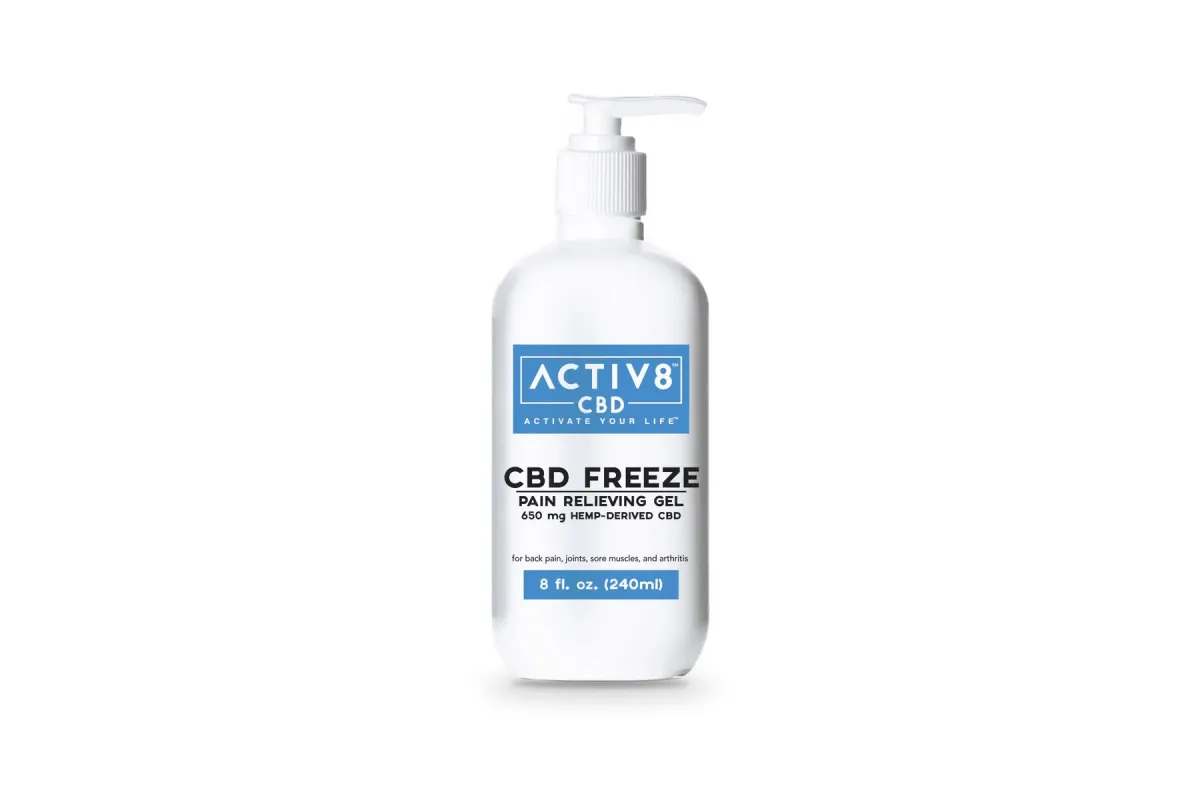
Looking for relief to start adding to your daily routine? It's time to look no further! Not only is our ACTIV8 CBD Freeze fast-acting, but…
$15Regular price $29.99each
Our CBD Pet Drops are a natural, safe, and effective way to support your furry friend's overall well-being. Made with high-quality CBD oil…
$12.50Regular price $24.99each
Further reading and internal resources
Q: What clinical evidence exists for CBD in dogs and cats?
A: Systematic reviews of randomized clinical trials identified a small number of randomized, controlled trials in dogs. Most trials evaluated oral CBD for osteoarthritis (multiple trials), with single smaller trials for epilepsy and behavioral issues. Some trials reported reduced pain and increased activity in dogs with osteoarthritis; data for epilepsy and behavior are limited. Overall, studies are promising in places but few in number, often short in duration, and variable in design. More, larger, higher-quality randomized trials are needed to draw firmer conclusions (Lima et al., 2022).
Q: What safety signals and lab tests matter for pet owners?
A: Trial reports generally described mild adverse effects such as sleepiness or GI upset. Veterinarians may recommend baseline bloodwork (including liver enzymes) before starting a CBD product and a plan for follow-up testing. Because CBD can alter liver enzyme pathways, monitoring is reasonable for animals on concurrent medications or with pre-existing liver disease. If you see lethargy, persistent vomiting, tremors, or other concerning signs, consult your veterinarian promptly.
Q: How should pet owners talk to their veterinarian about CBD?
A: Bring the product label, the batch-specific COA, and a list of current medications. Ask about potential interactions, whether baseline bloodwork is recommended, and what clinical signs to track. Ask if your veterinarian is comfortable supervising a trial and whether they suggest a recheck schedule. Open, documented communication helps manage safety and expectations.
Q: Are there any federal agency statements about pet CBD?
A: Yes. The U.S. Food and Drug Administration maintains public guidance noting that, apart from a small number of approved human drugs with cannabis-derived ingredients, the agency has not approved CBD for human or animal uses beyond those approvals and that CBD cannot lawfully be marketed as a dietary supplement or added to food. FDA also explains that animal drug pathways exist for animal-specific approvals. In short, most pet CBD products sold online are not FDA-approved animal drugs and therefore have not been reviewed by FDA for safety or efficacy in animals.
Q: What should I do if my dog ingests a product containing THC?
A: THC ingestion can cause clinical toxicosis in dogs. If you suspect THC exposure, contact your veterinarian, an emergency veterinary hospital, or a poison control service. Veterinary toxicology guidance emphasizes supportive care; most animals recover within 24–72 hours but some need hospitalization for monitoring and fluids.
Q: How reliable are product labels and COAs?
A: Label reliability varies by manufacturer. Look for batch-specific COAs from independent labs, clear mg/mL measures, and full contaminant panels. If a COA is missing, outdated, or does not match the product’s lot number, treat the product with caution. Reputable manufacturers publish up-to-date COAs and explain testing methods.
Q: Can I give human CBD products to my pet?
A: Human products are not formulated for pets and may contain ingredients (sweeteners, flavorings, or excipients) that are unsafe for animals. Even when the primary ingredient is CBD, formulations and dose recommendations designed for humans do not automatically translate to pets. Always check ingredient safety with your veterinarian and prefer products intended for pets with verified COAs.
Q: Will CBD interact with my dog’s prescription medications?
A: CBD can affect metabolic enzymes that metabolize many drugs. Potential interactions depend on the specific medications and doses. Discuss all current prescriptions with your veterinarian before beginning CBD and consider bloodwork monitoring.
Q: Is there a recommended monitoring plan if I start CBD for my dog?
A: Monitoring should be individualized. Many veterinarians recommend baseline bloodwork (including liver enzymes) and rechecks at a reasonable interval (for example, 4–8 weeks after starting) or sooner if clinical issues arise. Document behavioral and activity changes so responses can be assessed objectively.
Q: Are there approved CBD products for animals?
A: As of current federal guidance, the FDA has not approved CBD products specifically for animals. Some cannabis-derived drugs are approved for human medical use, but no over-the-counter CBD product has FDA approval for treating animal disease. Owners should be aware that marketed pet products are not FDA-reviewed animal drugs.
(These references are authoritative summaries of the evidence, safety signals, and regulatory context. For clinical decisions, consult your veterinarian.)
Randomized clinical trials in dogs have been conducted for osteoarthritis, epilepsy, and behavior. Systematic review evidence shows some trials reported reduced pain and increased activity in dogs with osteoarthritis; evidence for epilepsy and behavioral conditions is limited and mixed. Trials were small and varied in design, so conclusions require caution (see Lima et al., 2022).
Trials reported mostly mild adverse effects such as sleepiness and GI upset, but veterinarians often recommend baseline bloodwork (including liver enzymes) and follow-up testing when starting CBD. Because CBD can affect liver metabolic pathways, monitoring is especially important for pets on other medications or with liver disease.
Bring the product label, batch-specific COA, and a list of all medications. Ask about interactions, baseline tests, a monitoring schedule, and whether a supervised trial is appropriate. Be prepared for some veterinarians to offer cautious guidance because CBD products for animals are not FDA-approved.
Yes. The FDA states that, aside from a few approved human drugs with cannabis-derived ingredients, CBD products are not approved for use in animals and cannot be lawfully marketed as dietary supplements or added to food in interstate commerce. The agency emphasizes that products marketed with therapeutic claims without approval may face enforcement.
There is some randomized-trial evidence that oral CBD may reduce pain and increase activity in some dogs with osteoarthritis. However, evidence is limited and not conclusive. If considering CBD, verify product COAs, consult your veterinarian, and plan for monitoring rather than relying solely on marketing claims.
Contact your veterinarian, an emergency veterinary hospital, or an animal poison control center immediately. THC can cause ataxia, lethargy, vomiting, urinary incontinence, tremors, and other signs in dogs. Supportive care is the mainstay of treatment; most animals recover with monitoring and supportive measures.
Look for a batch-specific third-party COA from a reputable lab, clear mg/mL labeling, ingredient lists free of known canine hazards, and transparent manufacturing or GMP statements. If the COA is missing or does not match the product lot, treat the product with caution.
Veterinarians can discuss CBD and provide clinical oversight, but CBD products for animals are not FDA-approved animal drugs. The FDA’s animal drug approval pathway exists but, to date, no widely available over-the-counter CBD product is FDA-approved for treating animal disease. Veterinarians will typically advise on safety, monitoring, and potential interactions.
These statements have not been evaluated by the Food and Drug Administration. These products are not intended to diagnose, treat, cure, or prevent any disease. This article is for general education only and is not medical advice. Talk with a qualified healthcare professional before using any new product, especially if you are pregnant, nursing, or take medication.
Our CBD Pet Drops are a natural, safe, and effective way to support your furry friend's overall well-being. Made with high-quality CBD oil…
$12.50Regular price $24.99each
Looking for relief to start adding to your daily routine? It's time to look no further! Not only is our ACTIV8 CBD Freeze fast-acting, but…
$15Regular price $29.99each
CBD tinctures & syrups16 min read
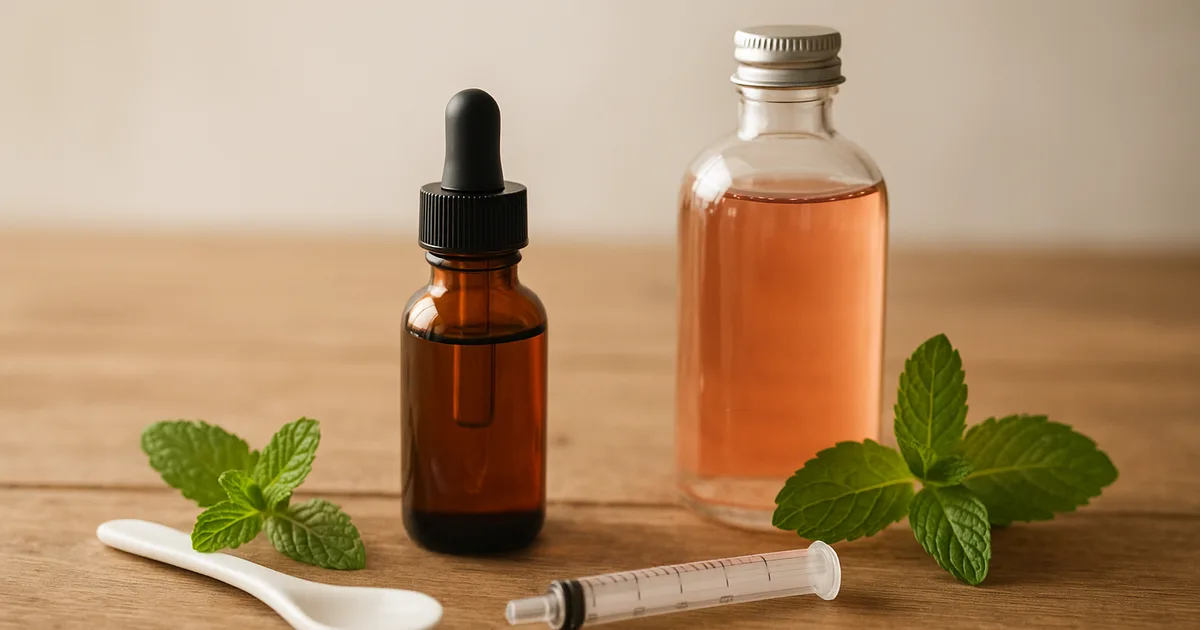
An evidence-informed look at tinctures, syrups and oral CBD syringes. Learn how sublingual absorption, the fatty-food effect and lab COAs change onset and reliability.

Regulation & Health12 min read
This article summarizes federal guidance and the evidence base about CBD during pregnancy and breastfeeding, explains product and contamination risks, and offers suggestions for shopper–clinician conversations.

Las Vegas CBD Guides14 min read
A practical, up-to-date guide to finding lab-tested CBD in Las Vegas — whether you’re on the Strip, staying in a hotel, or ordering online. Covers COAs, product types, Delta‑9 vs CBD, lawful mushrooms, delivery caveats and local shopping tips.

You must be 21 or older to enter.
By entering you agree to our Terms of Service and Privacy Policy.


