
Our ACTIV8 CBD Tinctures are a powerful and an effective way to support your overall well-being. Simply just add a few drops of CBD to your…
$24.99each
Quantity
1
25% OFF WITH CODE
Limited-Time Sale | Ends November 15 at 7 PM PSTOne-time purchases only.Shop Now
With no FDA pre-approval, quality is up to you and the seller. This checklist covers labels, lab reports, claims, reviews, shipping, and subscriptions.
By the BuyLegalMeds team11 min read
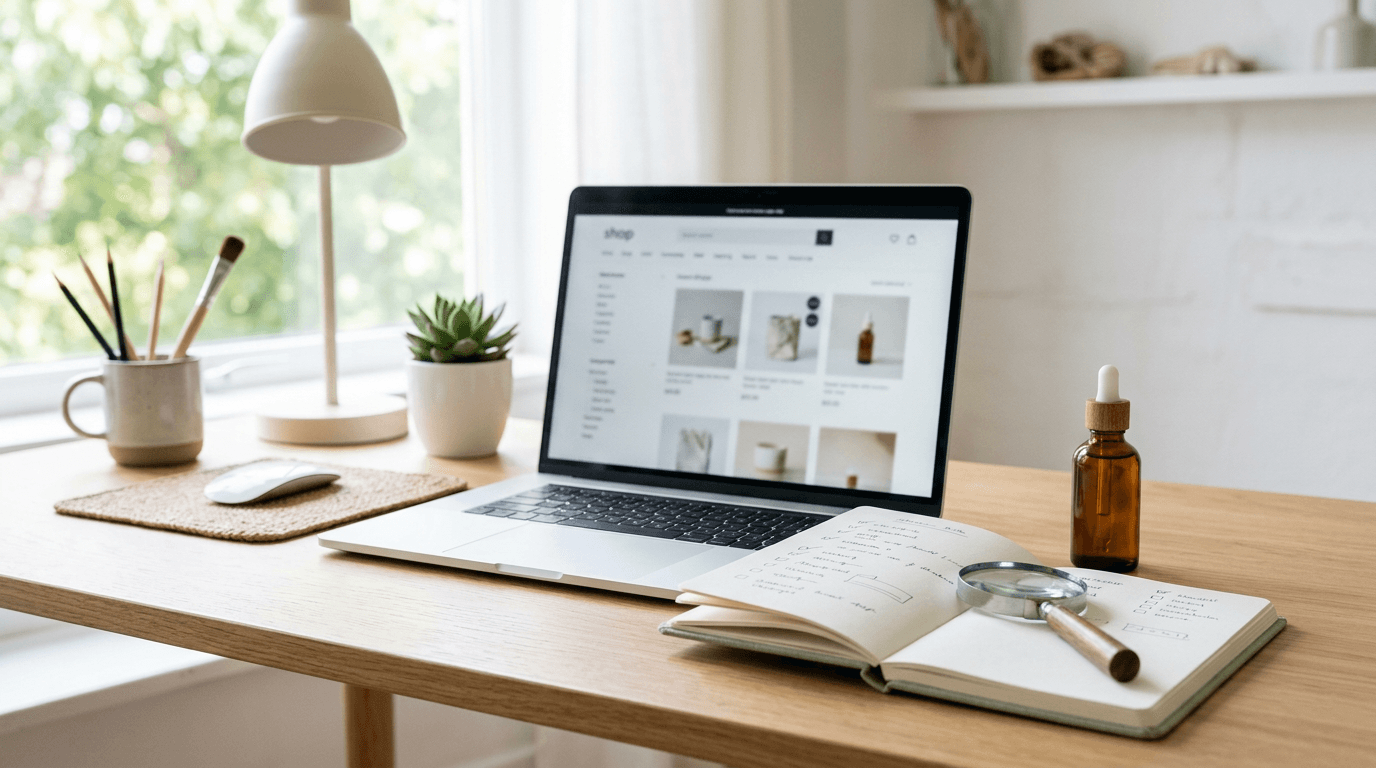
Buying CBD online is convenient and it is also a little risky. The products are sold without FDA pre-approval, the market includes both careful manufacturers and careless ones, and from a product page alone it can be hard to tell the difference. Photos are professional, descriptions are confident, and prices range widely. A shopper who relies on how a page looks will sometimes get a good product and sometimes not.
This guide gives you a practical checklist you can apply to any CBD product from any seller, including us. It covers what regulators have said about the market, how to evaluate a product label, how to check lab reports, what claims should make you skeptical, how to judge a seller, how to read reviews, what shipping and legal details to confirm, how to think about subscriptions, and which warning signs justify walking away. It is educational and does not recommend any amount or promise any result.
The FDA has said that it has not approved CBD as an ingredient in dietary supplements or foods and that it has not evaluated most over-the-counter CBD products for safety or effectiveness. It has tested products sold online and found that many did not contain the amount of CBD their labels claimed, and has issued warning letters to companies that made illegal disease claims.
That does not mean every product is bad. It means that the usual safety net, where a regulator checks a product before it reaches the shelf, is thin. The shopper's best defense is to look for evidence that a manufacturer tests its products, discloses what is in them, and makes honest claims. The checklist below turns that into steps.
Start with the page itself, before any marketing.
If a page hides the ingredient list or gives only vague descriptions, treat that as information. Honest sellers publish these details because they are asked for them.
Shop this topic
Our ACTIV8 CBD Tinctures are a powerful and an effective way to support your overall well-being. Simply just add a few drops of CBD to your…
$24.99each
Get your daily dose of CBD with our delicious Cloud N9ne Daytime CBD Gummies! These gummies are hand-crafted with high-quality ingredients…
$24.99each
Looking for a nourishing and moisturizing lotion that can also provide the benefits of CBD? Look no further! Our Cucumber Melon CBD Lotion…
$19.99each
Numbers on CBD labels are easy to misread, and doing the math protects you.
For gummies, divide the total milligrams by the count to get milligrams per piece. For tinctures and syrups, divide total milligrams by bottle volume to get concentration, then find the amount in a serving. For topicals, remember that the figure is the total in the container, not a delivered amount.
Then compare price on equal footing. Price per piece, price per serving, and price per milligram are all useful, and none is a measure of quality. A cheaper price per milligram is a reason to look closer, not to buy. Very cheap products can indicate a lower-quality extract, underdosing, or hemp seed oil with little or no cannabinoid.
Our guides on gummies, tinctures, and topicals show these calculations for each format.
This is the single most useful quality signal.
A certificate of analysis from an independent laboratory shows what was measured in a specific batch. A good report matches the batch number on your package, shows CBD within a reasonable range of the label, shows THC within the stated limits, and includes contaminant panels for heavy metals, pesticides, residual solvents, and microbes.
Be careful with these shortcuts.
Our guide on reading lab reports explains each section in detail. We also want to be direct about our own listings: a report may not be posted for every product page, and if you do not see one, ask customer support and wait for an answer before you buy.
Marketing language is where many weak products reveal themselves.
If most of a page is about benefits and little is about contents, the balance is wrong.
A product is only as trustworthy as the company behind it. A few observations tell you a lot.
Be cautious of sites that look identical to dozens of others, with stock photos and templated descriptions, and no information about who is behind them.
Reviews can be helpful and can be misleading.
Before you check out, make sure the practical details work.
Federal and state rules for hemp products are changing, particularly for hemp-derived THC. A product that is available today may face new restrictions, so do not stock up beyond what you will use.
Shop this topic
Taste the natural power of CBD with UrbanLeaf Naturals CBD Tinctures! Our tinctures are made with pure, unflavored CBD, carefully extracted…
$29.99each
Recurring orders can lower the price and simplify reordering, and they also create commitments. Before subscribing, understand the terms.
On our store, eligible subscription items are offered at 50 percent off with a three-order minimum commitment, and pausing or cancelling is handled by our customer support team. The details appear on each product page. A sensible rule is to try a product once, confirm that you like it and that the lab information is in order, and only then consider a subscription.
Quality is about more than the product. It is also about whether the product suits you.
Any one of these is a reason to pause, and several together are a reason to leave.
Quality checking does not stop at checkout. When the package arrives, spend a few minutes confirming that it matches what you ordered.
If anything seems wrong, stop, photograph the product and packaging, and contact the seller promptly. Keep the packaging until you are satisfied. Responsible sellers want to hear about a problem, and a clear photo and lot number make it easier to resolve.
When two products look alike, a simple side-by-side comparison keeps the decision grounded. Put the CBD amount per serving, the extract type, the ingredient list, the lab report status, the price per serving, and the return and subscription terms into one list for each. Count the differences that actually affect you, such as an allergen, a THC amount, or a missing report, and set aside the ones that are only branding. If the products are truly equal on the facts, choose the one from the seller that answered your questions most clearly, and buy the smallest size first.
A simple log helps you buy better over time. For each product, note the name, the lot number, where and when you bought it, the price, and whether a lab report was available. Add a line about your experience, including flavor, texture, and anything unwanted. When you reorder, you can compare the new lot against the old, notice if something changes, and make a deliberate choice instead of relying on memory.
If a product is recalled or a seller publishes a safety notice, your record will tell you quickly whether you are affected.
Before you add anything to your cart, answer yes to as many of these as you can.
Quality in the CBD market is not a mystery, but it is not automatic either. It shows up as clear labels, matching lab reports, honest claims, and a seller willing to answer questions. It is easier to find when you apply the same checklist every time, and it is easier to avoid disappointment when you start small. Whichever products you choose, and wherever you buy them, let the evidence guide you rather than the packaging, and bring your healthcare professional into the conversation whenever your health is part of the decision.
Look for a clear label with strength and ingredient details, a third-party lab report that matches your lot number, honest claims without disease promises, and a seller that answers questions and publishes clear policies.
The FDA has approved one prescription CBD drug for certain seizure disorders, but it has not approved over-the-counter CBD products or evaluated most of them for safety or effectiveness.
It can be. Very low prices may indicate a low-quality extract, underdosing, or a product that contains little or no cannabinoid. Compare price per milligram, then check the label and lab report.
Check which products are eligible, the discount, any minimum commitment, how to pause or cancel, and how billing and shipping work. Try a product once before subscribing.
Yes, especially if you take medication, are pregnant or nursing, or have a medical condition. CBD can interact with some medicines.
These statements have not been evaluated by the Food and Drug Administration. These products are not intended to diagnose, treat, cure, or prevent any disease. This article is for general education only and is not medical advice. Talk with a qualified healthcare professional before using any new product, especially if you are pregnant, nursing, or take medication.
Our ACTIV8 CBD Tinctures are a powerful and an effective way to support your overall well-being. Simply just add a few drops of CBD to your…
$24.99each
Get your daily dose of CBD with our delicious Cloud N9ne Daytime CBD Gummies! These gummies are hand-crafted with high-quality ingredients…
$24.99each
Looking for a nourishing and moisturizing lotion that can also provide the benefits of CBD? Look no further! Our Cucumber Melon CBD Lotion…
$19.99each
Taste the natural power of CBD with UrbanLeaf Naturals CBD Tinctures! Our tinctures are made with pure, unflavored CBD, carefully extracted…
$29.99each
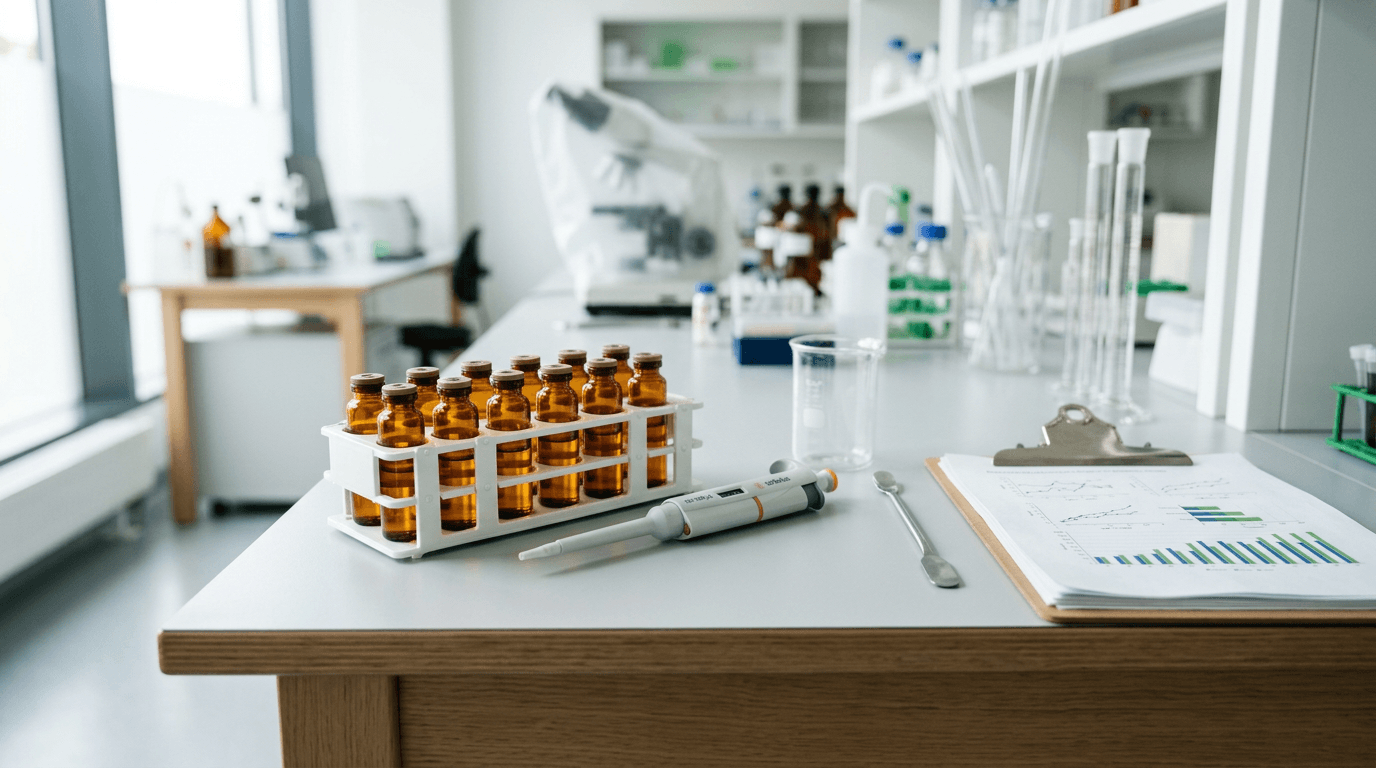
Quality & Testing11 min read
A lab report is only useful if you know what to look for. This guide walks through a certificate of analysis section by section and flags the warning signs.
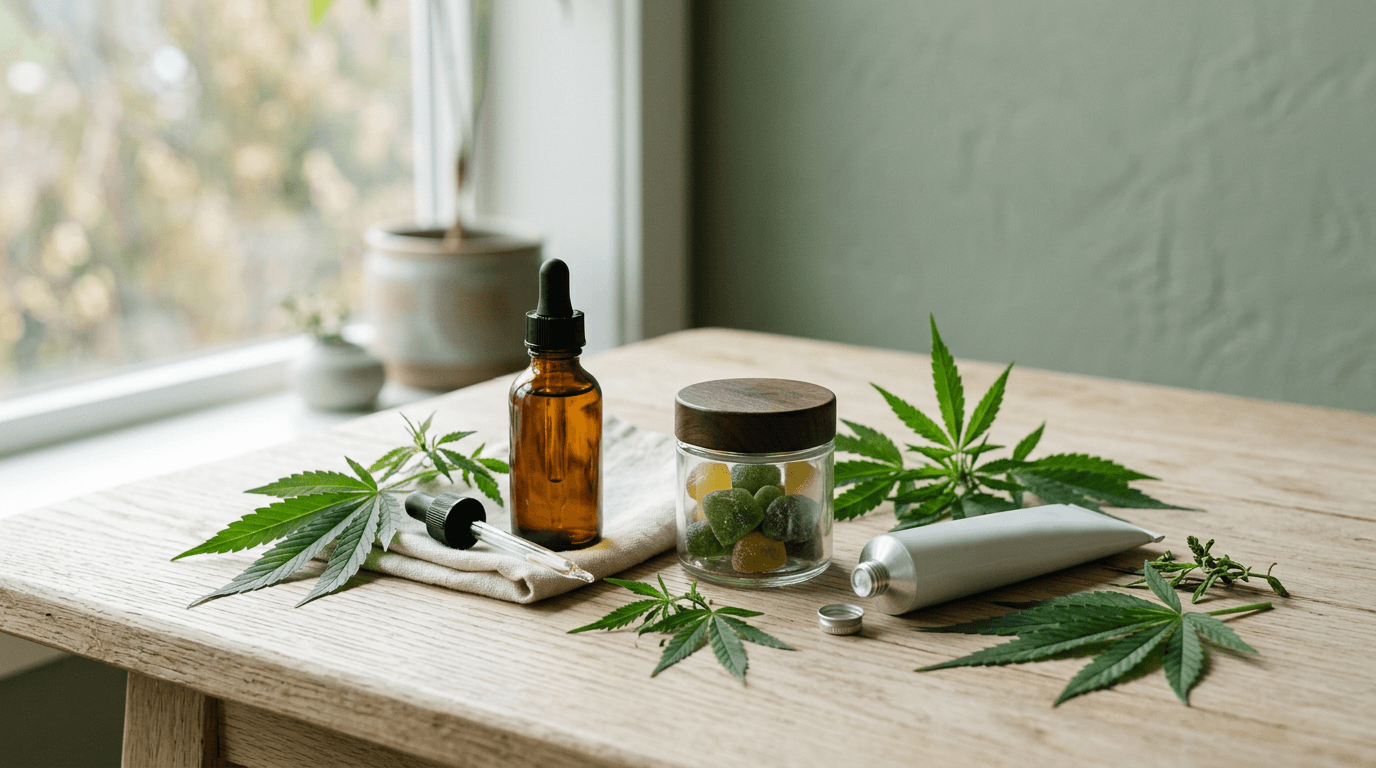
CBD Basics12 min read
New to CBD? This guide explains what the word means, how products differ, how to read a label without getting tripped up by milligrams, and what to check before you buy.
CBD Basics11 min read
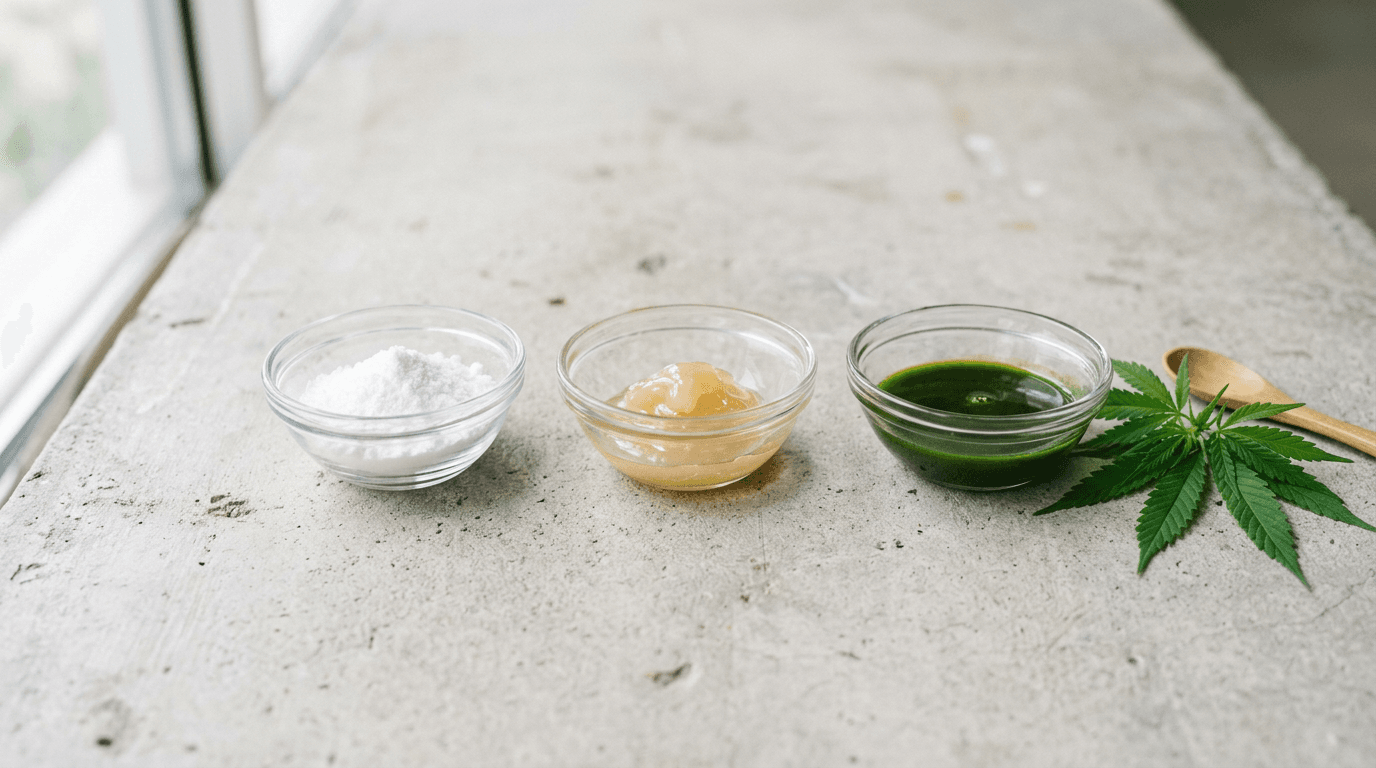
Isolate, broad spectrum, and full spectrum are not quality grades. They describe what is in an extract. Here is what each term means and how to check a claim.
You must be 21 or older to enter.
By entering you agree to our Terms of Service and Privacy Policy.


